
Wildlife and Wilderness in Chitwan National Park
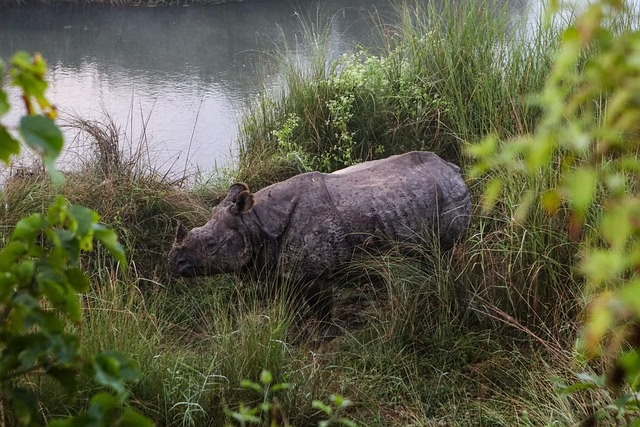
For a change of pace from Nepal's cities and mountains, head south to Chitwan National Park. Established in 1973, it was Nepal's first national park. Today, this UNESCO-listed reserve protects a wide variety of wildlife in the subtropical lowlands. For example, it is home to one-horned rhinos, wild elephants, sloth bears, and the elusive Bengal tiger.
Jeep Safaris and River Canoeing in Chitwan National Park
A jeep safari through the jungle offers thrilling wildlife encounters. Alternatively, canoe rides along the Rapti River provide a peaceful way to observe birds and aquatic life. In fact, the park is home to more than 500 bird species. You may also spot gharial crocodiles basking on the riverbanks. Guided jungle walks are another option for the more adventurous.
Conservation and the Elephant Breeding Centre
You can learn about conservation efforts at the Elephant Breeding Centre. Here, staff explain the work being done to protect the park's most iconic residents. Thanks to conservation work across the park, Chitwan's rhino population has recovered strongly in recent decades.
The Tharu Community
Cultural experiences with the local Tharu community add depth to any visit. The Tharu have lived in these lowlands for centuries, and their villages border the park. For instance, traditional dance performances and home-cooked meals offer a warm welcome. They are also a chance to connect meaningfully with local life.
The best time to visit is from October to March, when the weather is cooler and drier. The park is around five to six hours by road from Kathmandu or Pokhara. Chitwan National Park shows a completely different side of Nepal to the temples of Kathmandu or the peaks around Pokhara. Above all, it is a chance to encounter some of Asia's most remarkable wildlife up close.
Ready to Explore Nepal?
Get in touch with our expert travel consultants to include Chitwan National Park in your itinerary.