
Exploring the Omo Valley Communities of Ethiopia
The Omo Valley in southern Ethiopia is a region of remarkable cultural diversity and natural beauty. Home to several distinct communities, this remote area offers a unique opportunity to learn about traditions that have been shaped over centuries.
Understanding the Omo Valley Communities
The Omo Valley communities include the Hamer, Karo, Mursi, Nyangatom, Suri, Bodi, Kwegu, and Arbore. These groups have lived in the region for generations, developing customs and social structures that reflect their environment and values.
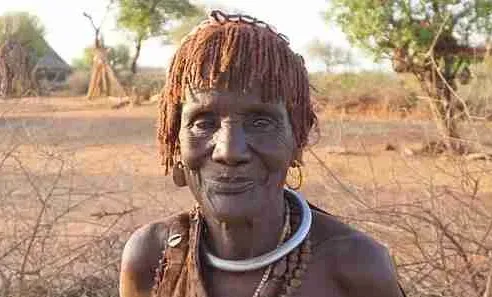
The Hamer are known for their expressive body decoration and ceremonial practices, including the bull jumping ceremony marking a young man's transition into adulthood. The Karo, living along the banks of the Omo River, are celebrated for geometric body art created with white clay. The Mursi are often recognised for the lip plates worn by women, which symbolise beauty and social status.
The Suri are known for their elaborate body art and stick fighting ceremonies. The Bodi also practise bull jumping and decorate themselves with white clay and red ochre. The Kwegu, a smaller hunter-gatherer group, live in forested areas, while the Arbore are pastoralists relying on livestock and seasonal movement.
Bull Jumping Ceremonies
Bull jumping is a rite of passage observed by several Omo Valley communities, including the Hamer, Suri, and Bodi. Preparation involves months of training, and on the day of the event the young man must leap over a line of bulls standing close together, success signifying maturity and readiness for adult responsibilities.
Body Art and Personal Expression
Body art is a powerful form of expression among the Omo Valley communities. Hamer individuals create intricate scar patterns, while Karo artists paint geometric designs across their bodies. Mursi women wear lip plates and clay jewellery, and Suri people combine scarification with elaborate headdresses.
Visiting the Omo Valley Communities
Visiting the Omo Valley requires sensitivity and respect. Travelling with a reputable tour operator helps ensure that visits are conducted ethically and with the community's consent, with guides able to facilitate introductions, explain customs, and help navigate cultural boundaries.
- Ask permission: before taking photos or videos, always ask for consent. Some communities may request a small fee, which helps support local livelihoods.
- Dress modestly: wearing modest clothing shows respect and helps you blend in more comfortably.
- Avoid gifts: refrain from giving money or sweets to individuals. Instead, support community initiatives or purchase locally made crafts.
- Prepare for the journey: the Omo Valley is remote, and roads can be challenging. Bring water, sun protection, and sturdy footwear.
- Stay informed: learn about the communities before you arrive to enhance your experience and help build meaningful connections.
The Omo Valley is recognised as a UNESCO World Heritage Site, highlighting its global importance. Visiting the region is not just about witnessing culture, it is about listening, learning, and respecting – the journey may be challenging, but the insights gained are profound and lasting.
Ready to Explore Ethiopia?
Get in touch with our expert travel consultants to include the Omo Valley in your itinerary.