
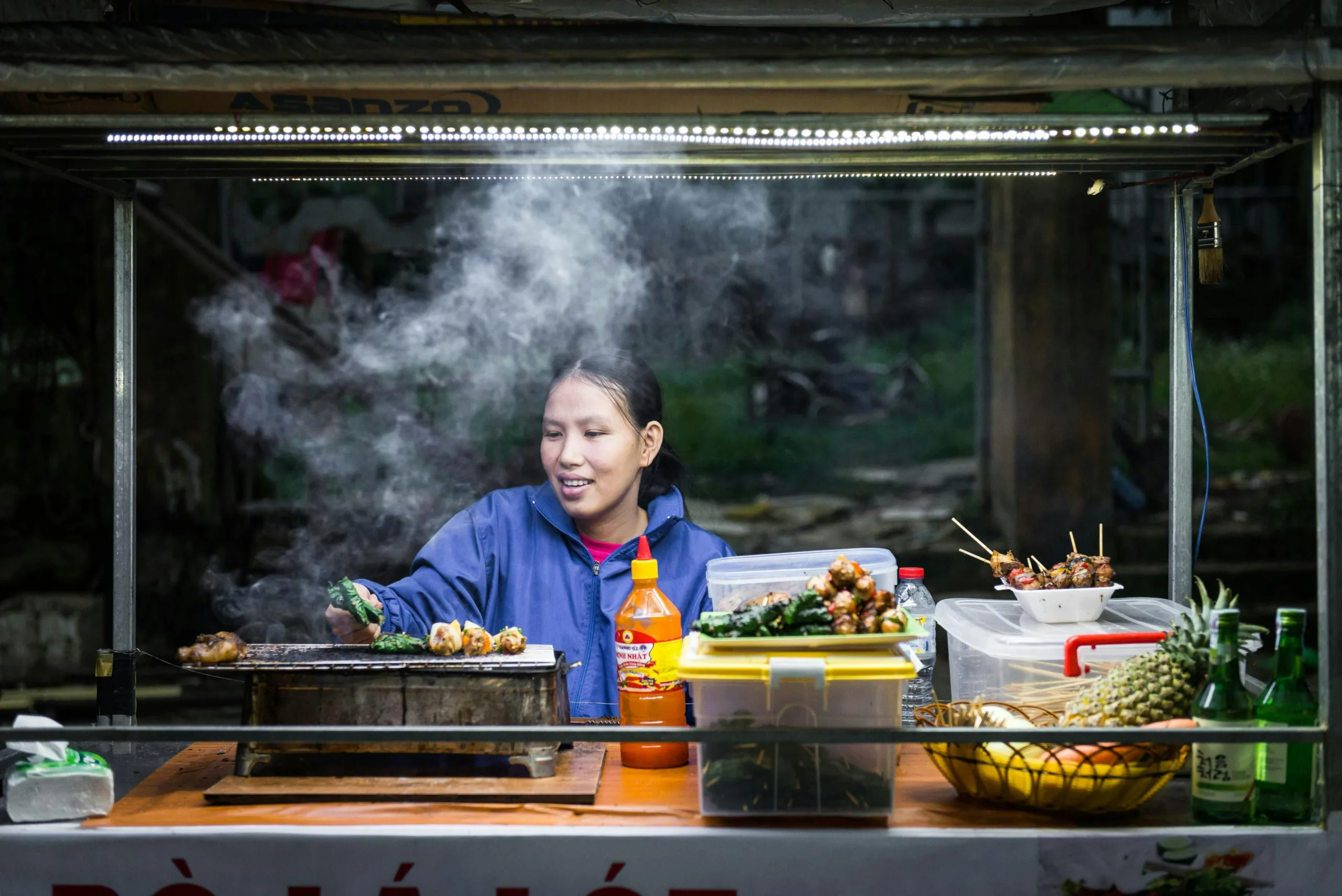
Vietnamese Cooking Classes: A Culinary Journey Through Culture
Food plays a central role in daily life in Vietnam, and Vietnamese cuisine is celebrated for its fresh ingredients, fragrant herbs, and balanced flavours. Vietnamese cooking classes offer an immersive and rewarding experience, going beyond recipes to offer insight into culinary traditions and local ingredients.
From Market to Kitchen
Most classes begin with a visit to a local market, accompanied by a knowledgeable chef, exploring stalls filled with colourful produce, aromatic spices, and fresh seafood. Guides explain the uses of herbs like coriander, Thai basil, and lemongrass, while helping you select the best items for your meal.
Hands-On Learning
Classes are typically small and interactive, allowing for personal guidance and shared learning – you might find yourself pounding lemongrass into a paste, mixing dipping sauces like nuoc cham, or mastering the art of wrapping spring rolls, with instructors sharing family recipes and stories along the way.
Inclusive Options for Every Diet
Vietnamese cooking classes cater to a wide range of dietary preferences, with vegetarian options commonly available featuring tofu, mushrooms, and fresh vegetables, and instructors usually happy to adjust recipes for allergies or specific needs.
Sharing the Meal
The final part of the class is often the most memorable – after preparing several dishes, participants sit down together to enjoy the meal they've created, a celebration of learning, collaboration, and cultural exchange.
Where to Find Vietnamese Cooking Classes
Cooking classes are available throughout Vietnam, from major cities to smaller towns. In Hoi An, classes often feature Cao Lau, a noodle dish made with lye water and topped with crispy pork, while in the Mekong Delta, classes often focus on fresh spring rolls with local shrimp and herbs.
Tips for a Rewarding Experience
- Know your skill level: choose a class that matches your experience, whether you're a beginner or an experienced cook.
- Check dietary options: ensure the class can accommodate any allergies or preferences.
- Read reviews: look for feedback on the instructor's style and the class atmosphere.
- Ask questions: don't hesitate to seek clarification or guidance during the session.
Vietnamese cooking classes offer more than culinary instruction. They provide a window into the country's culture, values, and way of life, connecting you with people, traditions, and stories that define Vietnam.
Ready to Explore Vietnam?
Get in touch with our expert travel consultants to include a cooking class in your itinerary.
See it on our tour: A Taste of Vietnam.