
Vietnamese Cooking Classes
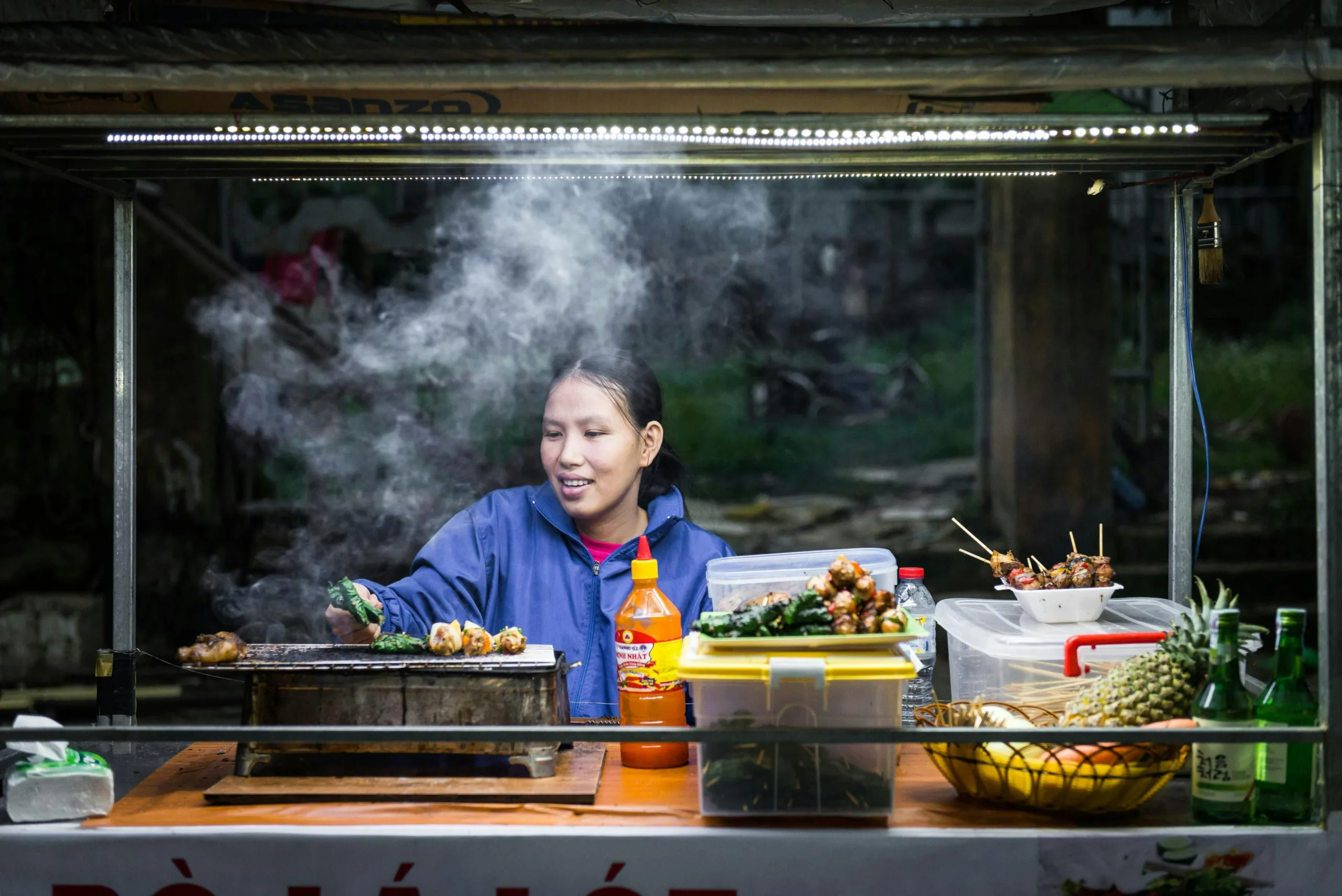
Vietnamese Cooking Classes: A Culinary Journey Through Culture
Vietnam’s rich culture extends far beyond its landscapes and historical sites. Food plays a central role in daily life, and Vietnamese cuisine is celebrated for its fresh ingredients, fragrant herbs, and balanced flavours. For those seeking a deeper connection with the country, Vietnamese cooking classes offer an immersive and rewarding experience.
These classes go beyond learning recipes. They offer insight into Vietnamese culinary traditions, local ingredients, and the cultural values that shape the country's cuisine. Whether you're a seasoned cook or a curious beginner, joining a cooking class opens the door to a vibrant world of flavour and community.
From Market to Kitchen. Discovering Local Ingredients
Most Vietnamese cooking classes begin with a visit to a local market. Accompanied by a knowledgeable chef, participants explore stalls filled with colourful produce, aromatic spices, and fresh seafood. The market experience introduces unfamiliar ingredients and highlights the importance of seasonality in Vietnamese cooking.
Your guide explains the uses of herbs like coriander, Thai basil, and lemongrass, while helping you select the best items for your meal. This hands on approach encourages curiosity and builds confidence in choosing ingredients. It also offers a glimpse into everyday life, where food shopping is a social and sensory experience.
Markets are more than places to buy food, they are cultural spaces where traditions are passed down and communities connect. Starting your cooking class here sets the tone for a meaningful culinary adventure.
Hands On Learning of the Techniques and Traditions
Back in the kitchen, the cooking begins. Classes are typically small and interactive, allowing for personal guidance and shared learning. You might find yourself pounding lemongrass into a paste, mixing dipping sauces like nuoc cham, or mastering the art of wrapping spring rolls.
Instructors often share family recipes and stories, adding depth to each dish. These moments reveal the cultural significance behind ingredients and techniques. For example, balancing sweet, sour, salty, and spicy flavours is a hallmark of Vietnamese cuisine, and learning how to achieve this balance is a key part of the class.
Cooking together fosters a sense of community. Participants exchange tips, laugh over mistakes, and celebrate small victories. The atmosphere is relaxed and welcoming, making it easy to enjoy the process and connect with others.
Inclusive Options for Every Diet
Vietnamese cooking classes cater to a wide range of dietary preferences. Vegetarian options are commonly available, featuring tofu, mushrooms, and fresh vegetables. If you have allergies or specific dietary needs, instructors are usually happy to adjust recipes and ingredients.
This flexibility ensures that everyone can participate fully and enjoy the experience. It also reflects the inclusive nature of Vietnamese hospitality, where meals are often shared and adapted to suit different tastes.
Cooking classes that accommodate diverse diets help promote accessibility and respect for individual needs. They also highlight the versatility of Vietnamese cuisine, which can be both flavourful and adaptable.
Sharing the Meal
The final part of the class is often the most memorable. After preparing several dishes, participants sit down together to enjoy the meal they’ve created. This shared experience brings the class full circle, from market to table.
Eating together allows for reflection and appreciation. You’ll taste the results of your effort and gain a deeper understanding of the flavours and techniques involved. The meal becomes a celebration of learning, collaboration, and cultural exchange.
These moments often lead to lasting connections. Many participants stay in touch, sharing recipes and memories long after the class ends. The communal spirit of Vietnamese meals encourages conversation and friendship, making the experience even more meaningful.
Bringing the Experience Home
One of the lasting benefits of taking a Vietnamese cooking class is the ability to recreate dishes at home. With new skills and knowledge, you can prepare meals that reflect the flavours and traditions of Vietnam. Friends and family will likely be impressed and may request repeat performances!
Cooking Vietnamese food at home also deepens your connection to the culture. You’ll appreciate the importance of fresh ingredients, the balance of flavours, and the care that goes into each dish. These insights enrich your culinary practice and broaden your understanding of global cuisine.
Many classes provide recipe cards or digital resources, making it easier to continue learning. Some even offer follow up sessions or online tutorials, allowing you to build on your experience and refine your skills.
Where to Find Vietnamese Cooking Classes?
Cooking classes are available throughout Vietnam, from major cities to smaller towns. In Hanoi, Ho Chi Minh City, and Hoi An, you’ll find a wide range of options, each offering a unique perspective on regional cuisine.
Hoi An, for example, is known for Cao Lau, a noodle dish made with lye water and topped with crispy pork. In the Mekong Delta, classes often focus on fresh spring rolls with local shrimp and herbs. These regional variations add depth to your culinary journey and showcase the diversity of Vietnamese food.
Class durations vary. Some are short afternoon sessions, ideal for travellers with limited time. Others span a full day, offering a more in-depth experience. Choosing the right class depends on your interests, schedule, and level of experience.
Tips for a Rewarding Experience
To make the most of your Vietnamese cooking class, consider the following:
- Know your skill level: Choose a class that matches your experience, whether you're a beginner or an experienced cook.
- Check dietary options: Ensure the class can accommodate any allergies or preferences.
- Read reviews: Look for feedback on the instructor’s style and the class atmosphere.
- Ask questions: Don’t hesitate to seek clarification or guidance during the session.
- Enjoy the process: Relax and embrace the learning experience. It’s meant to be fun and engaging.
These tips help create a positive and enriching environment, allowing you to focus on learning and enjoying the moment.
Why Vietnamese Cooking Classes Matter?
Vietnamese cooking classes offer more than culinary instruction. They provide a window into the country’s culture, values, and way of life. Through food, you connect with people, traditions, and stories that define Vietnam.
The experience encourages mindfulness, creativity, and appreciation. It invites you to slow down, savour each step, and engage with the world in a meaningful way. Whether you’re travelling solo, with friends, or as part of a group, a cooking class adds depth and joy to your journey.
When planning your next visit to Vietnam, consider enrolling in a cooking class. It may lead to new friendships, unforgettable meals, and a lasting love for Vietnamese cuisine.