
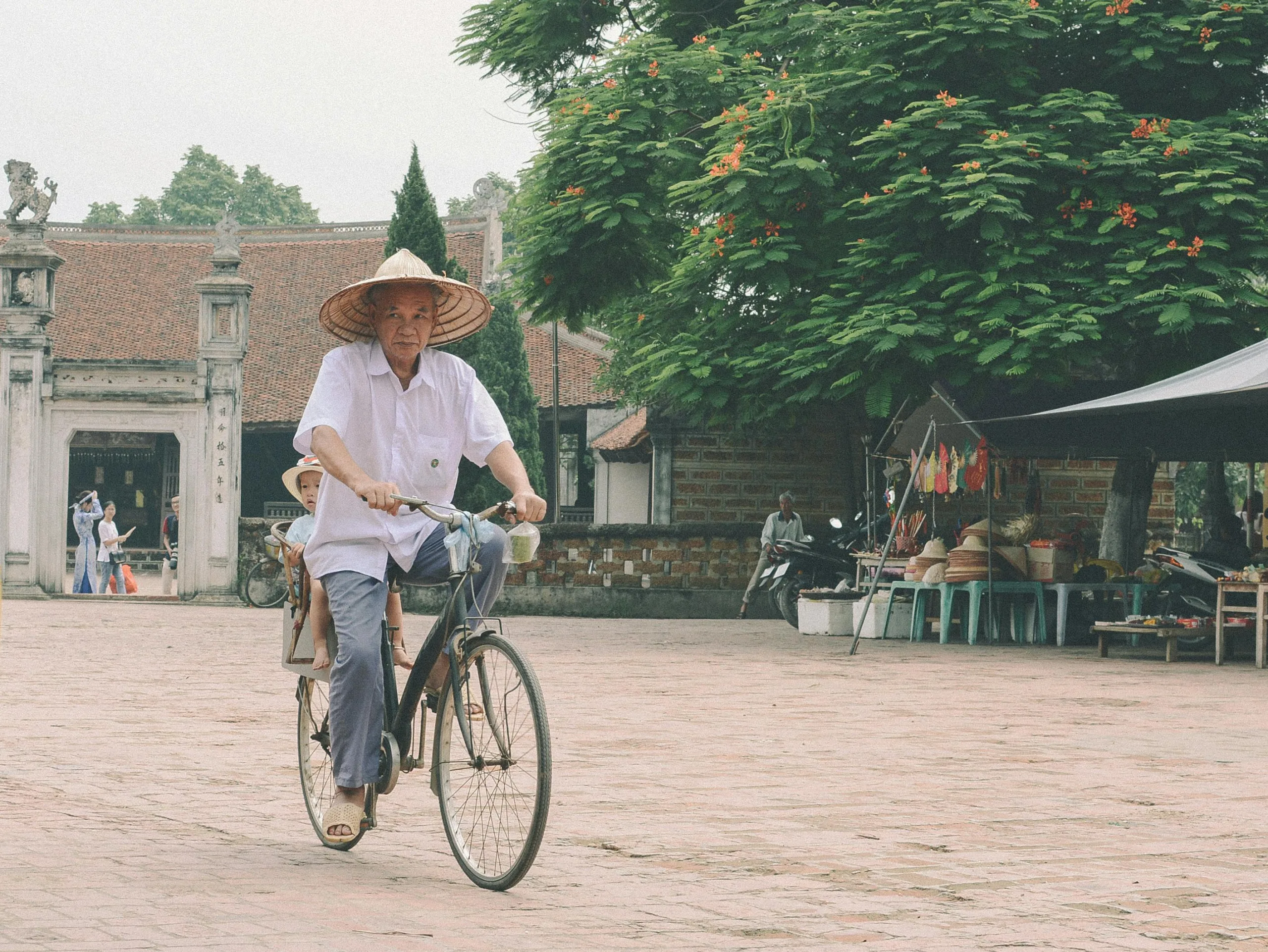
Unveiling the Heart of Vietnam in its Villages
Vietnam is a country full of contrasts, where bustling cities coexist with serene rural landscapes. While places like Ho Chi Minh City and Ha Long Bay attract global attention, the true essence of Vietnam often lies beyond these popular destinations, hidden among emerald rice paddies and tranquil countryside villages.
Stepping into Village Life
Visiting Vietnam villages feels like stepping back in time, with narrow paths winding between brightly painted houses. Hospitality is a defining feature of these communities – guests are welcomed with warm smiles and a steaming cup of fragrant green tea, and visitors often witness traditional practices such as silk weaving or rice cultivation.
Village Landscapes and Scenic Trails
Lush rice fields stretch across valleys, dotted with white herons searching for food. Northern Vietnam offers villages nestled in mountainous terrain, where communities maintain distinct customs and languages, while the Mekong Delta in southern Vietnam showcases life shaped by water, with stilted houses rising above canals and floating markets.
Immersing Yourself in Daily Traditions
Cooking classes with local families allow visitors to learn the secrets of Vietnamese cuisine, and participating in a rice planting ceremony offers a hands-on experience connecting travellers to the land that sustains these communities.
Responsible Tourism
Visitors should respect local customs, dress modestly, and choose homestays that directly support the local economy, providing authentic experiences while ensuring tourism benefits the community.
Why Vietnam Villages Are Worth Exploring
- Warm hospitality and cultural exchange in rural communities.
- Scenic landscapes from northern mountains to southern river deltas.
- Opportunities to learn traditional crafts and cooking.
- Responsible tourism practices that support local livelihoods.
Vietnam villages invite travellers to slow down and experience life beyond the cities, offering a deeper understanding of the country's heritage and a chance to create lasting memories rooted in authenticity.
Ready to Explore Vietnam?
Get in touch with our expert travel consultants to include village visits in your itinerary.