
Khiva
Uzbekistan - Why visit Khiva
Why Visit Khiva in Uzbekistan?
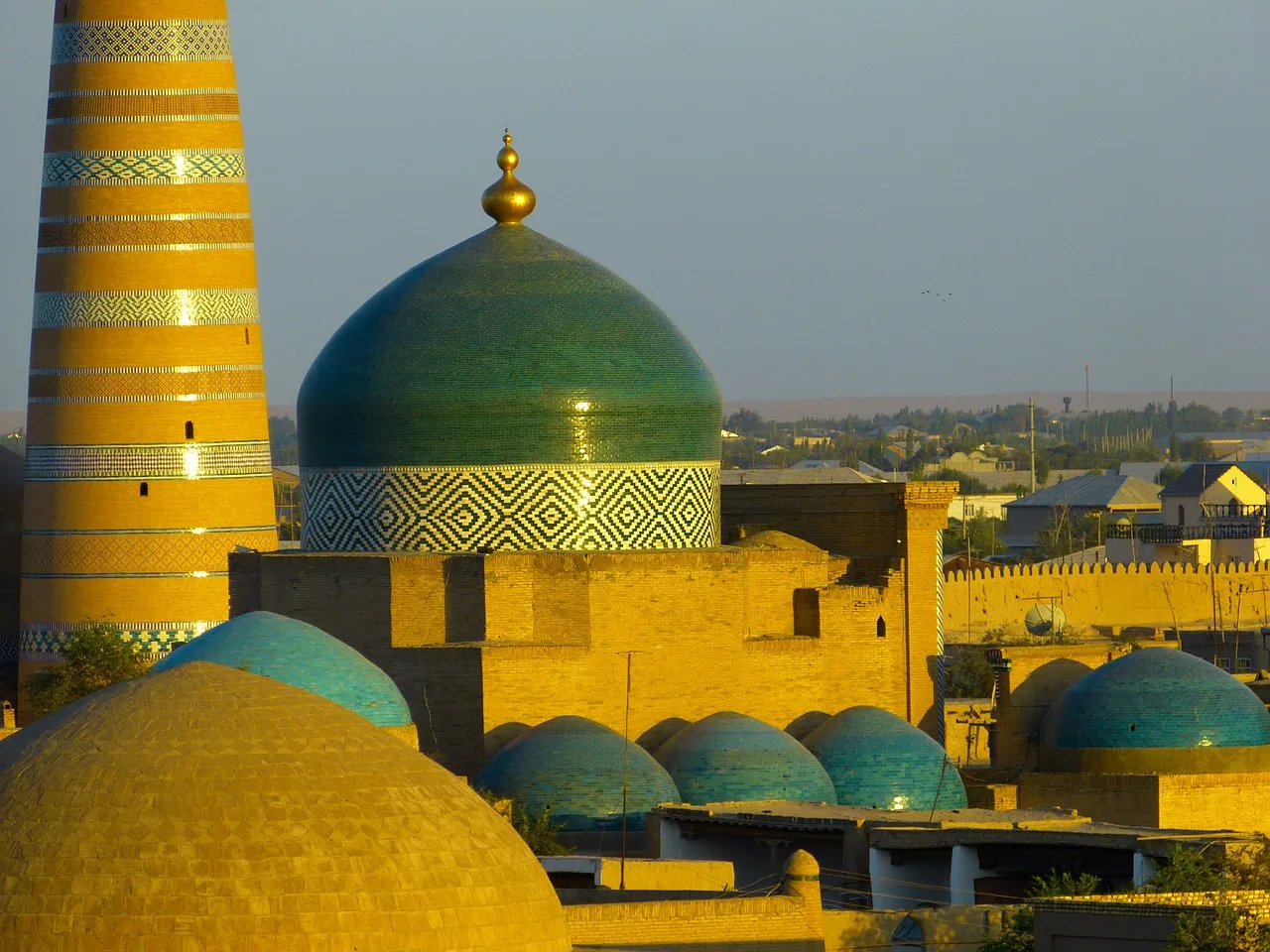
Khiva, located on the edge of the Kyzylkum Desert, is one of Uzbekistan’s most captivating destinations. Once a thriving oasis along the Silk Road, this historic city offers a fascinating glimpse into Central Asia’s rich heritage. Its ancient walled centre, Ichan Kala, is a UNESCO World Heritage Site celebrated for its narrow alleys, towering minarets, and beautifully decorated madrasahs.
A Glimpse into Khiva’s Legacy
To truly appreciate Khiva, it helps to understand its remarkable history. The city dates back to the 6th century BC when it served as a vital trading post on the Silk Road. Over time, Khiva became a hub for merchants, scholars, and artisans, witnessing the exchange of goods and ideas across continents. Today, its preserved architecture and cultural landmarks tell stories of empires, caravans, and centuries of vibrant life.
Moreover, Khiva’s enduring charm lies in its ability to blend historical grandeur with a welcoming atmosphere. Visitors can wander through streets that echo with centuries of tradition while enjoying modern comforts.
Ichan Kala: A Living Museum
At the heart of Khiva lies Ichan Kala, a walled city that feels like an open-air museum. Surrounded by thick mud-brick walls, it contains dozens of architectural masterpieces that transport visitors to a bygone era. Walking through its gates reveals a world of ornate structures, each reflecting the artistry and craftsmanship of Central Asia.
Additionally, the sense of history here is palpable. Every minaret, madrassah, and courtyard tells a story, making Ichan Kala an unforgettable experience for history enthusiasts and casual travellers alike.
Marvel at the Kalta Minor Minaret
The Kalta Minor Minaret is one of Khiva’s most recognisable landmarks. Its striking turquoise tiles and unfinished structure give it a unique charm. Originally intended to be the tallest minaret in the region, its incomplete state adds an intriguing layer to its history. Consequently, it has become a symbol of ambition and mystery.
Explore the Tash Khauli Palace
The Tash Khauli Palace, or Stone Palace, showcases the opulence of Khiva’s rulers. Its intricate carvings, colourful courtyards, and grand reception halls highlight the architectural brilliance of the 19th century. Furthermore, a visit here offers insight into the luxurious lifestyle of the khans and the artistry that defined their era.
Wander Through the Juma Mosque
The Juma Mosque is a masterpiece of simplicity and elegance. Its vast prayer hall is supported by more than 200 wooden columns, each carved with unique patterns. In addition, the serene atmosphere makes it an ideal spot for reflection and appreciation of traditional design.
Discover the Islam Khoja Minaret and Madrassah
The Islam Khoja Minaret, the tallest in Khiva, dominates the skyline with its elegant form and vibrant majolica tiles. Nearby, the madrassah provides a glimpse into the city’s educational heritage, with classrooms and courtyards that once hosted scholars and students. Together, they represent Khiva’s intellectual and artistic achievements.
Explore the Kunya-Ark Fortress
The Kunya-Ark Fortress is Khiva’s oldest surviving structure. For centuries, it served as the administrative centre of the city. Visitors can explore its watchtowers, courtyards, and chambers, gaining an understanding of Khiva’s strategic and political significance. As you walk through its passages, you can almost imagine the bustling life that once filled these walls.
Pay Respects at the Pakhlavan Makhmud Mausoleum
This mausoleum honours Pakhlavan Makhmud, a revered poet and wrestler from the 13th century. Its intricate tilework and peaceful setting make it a place of contemplation and cultural reverence. Moreover, it remains an important pilgrimage site for locals and visitors alike.
Immerse Yourself in Local Craftsmanship
Khiva remains a hub for traditional arts. Artisan workshops throughout the city showcase skills such as silk weaving, wood carving, and ceramic design. Watching craftspeople at work offers a deeper appreciation of the techniques that have endured for generations. Additionally, visitors can purchase handmade items, supporting local artisans and taking home a piece of Khiva’s heritage.
Experience Khiva After Dark
As evening falls, Khiva transforms into a magical setting. Rooftop terraces become venues for traditional music performances, where melodies played on regional instruments fill the air. The illuminated minarets and domes create a breathtaking backdrop, perfect for enjoying the city’s vibrant cultural spirit. Consequently, night-time in Khiva feels like stepping into a living fairy tale.
Practical Tips for Visiting Khiva
- Best Time to Visit: Spring and autumn offer pleasant weather for exploring the city.
- Getting There: Khiva is accessible by train or road from major Uzbek cities like Urgench and Tashkent.
- Accommodation: Choose from boutique hotels within Ichan Kala or modern options nearby.
- Local Etiquette: Dress modestly and respect cultural norms, especially in religious sites.
Why Khiva Should Be on Your Itinerary
Khiva is more than a historical city. It is a living testament to the Silk Road’s legacy. Its architectural splendour, cultural traditions, and warm hospitality create an experience that lingers long after your visit. Whether you are exploring ancient fortresses, admiring intricate tilework, or enjoying music under the stars, Khiva offers a journey through time and culture.
Key Highlights:
- Ichan Kala: A UNESCO-listed walled city with stunning architecture.
- Iconic landmarks such as Kalta Minor and Islam Khoja Minaret.
- Artisan workshops preserving traditional crafts.
- Evening performances showcasing local music and heritage.
Khiva invites travellers to discover a world where history and culture converge. For those seeking an authentic experience in Uzbekistan, this timeless oasis is an unmissable destination.