
Bukhara
Uzbekistan - Why visit Bukhara
Bukhara in Uzbekistan is a Timeless City of Culture and Craft
Set within the vast landscapes of Central Asia, Bukhara in Uzbekistan offers a captivating journey through centuries of history. Once a thriving centre along the Silk Road, Bukhara welcomed traders, scholars, and artisans from across the region. Today, its winding alleyways, elegant madrasahs, and towering minarets continue to tell stories of cultural exchange and architectural brilliance.
Visitors to Bukhara discover more than monuments. Here, they encounter a living city shaped by diverse influences and enduring traditions. From ancient mausoleums to peaceful courtyards, every corner invites exploration and reflection.
A Crossroads of Civilisations
Bukhara’s cultural richness stems from its long-standing role as a meeting point for different civilisations. Since the 6th century BC, the city has absorbed Persian, Turkic, and Arabic influences, each contributing to its language, architecture, and customs.
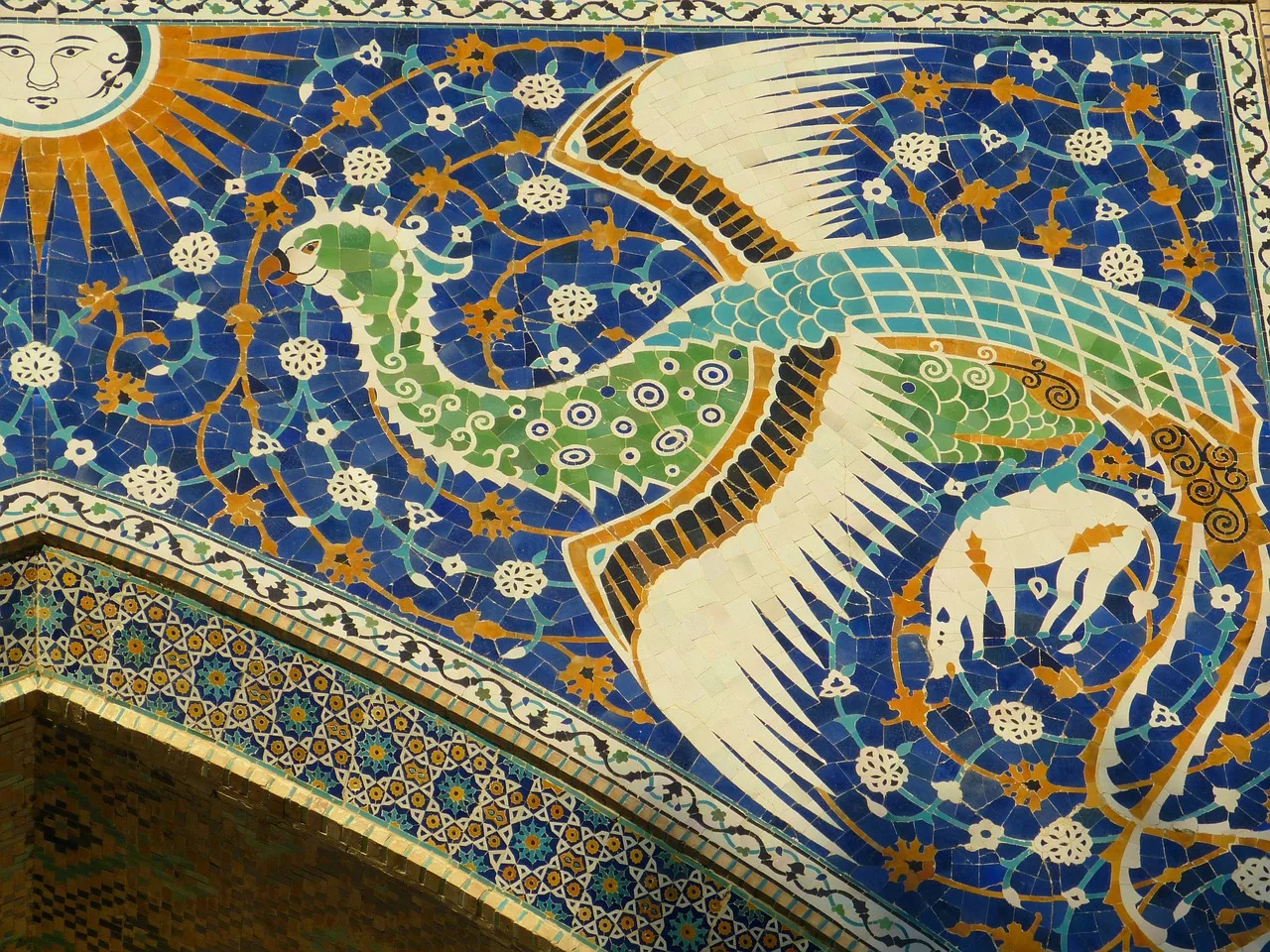
This fusion is most visible in the city’s buildings. Persian style turquoise tiles blend with Arabic calligraphy, creating intricate designs that reflect both artistic skill and spiritual meaning. The result is a harmonious visual landscape that celebrates diversity and craftsmanship.
Walking through Bukhara, visitors encounter layers of history woven into the city’s fabric. Markets, mosques, and madrasahs stand side by side, offering glimpses into the lives of those who shaped the city over time.
Ichan Kala
At the heart of Bukhara lies Ichan Kala, a UNESCO World Heritage Site that captures the essence of the city’s heritage. Surrounded by thick mud-brick walls, this historic area features narrow lanes, peaceful courtyards, and striking minarets.
Exploring Ichan Kala feels like stepping into another era. The architecture reflects centuries of innovation and adaptation, with buildings designed to offer shade, shelter, and beauty. Visitors often pause to admire the craftsmanship of carved doors, tiled facades, and decorative arches.
The atmosphere within Ichan Kala encourages slow exploration. Each turn reveals something new, a quiet corner, a hidden garden, or a view of the skyline framed by ancient walls. It’s a place where history feels close and accessible.
Po-i-Kalyan Complex
One of Bukhara’s most iconic landmarks is the Po-i-Kalyan Complex, built in the 12th century. This architectural ensemble includes the Kalyan Minaret, Kalyan Mosque, Miri Arab Madrasah, and Mir-i-Arab Mosque.
The Kalyan Minaret rises above the city, its intricate brickwork and turquoise accents drawing the eye. Historically, it served as both a religious symbol and a watchtower. Today, it remains a powerful reminder of Bukhara’s architectural legacy.
Nearby, the mosque and madrasah welcome visitors with open courtyards and detailed tilework. These spaces once hosted scholars and worshippers, and they continue to inspire admiration for their design and purpose.
Together, the structures of Po-i-Kalyan reflect the city’s commitment to learning, faith, and community. They stand as enduring symbols of Bukhara’s cultural depth.
Labi Hauz
In the centre of Bukhara, Labi Hauz offers a tranquil escape from the city’s bustle. This rectangular pool, surrounded by ancient trees and historic buildings, invites visitors to rest and reflect.
The Kukeldash Madrasah, with its imposing facade, adds to the area’s charm. As sunlight dances on the water, the pool becomes a mirror for the surrounding architecture and sky. Locals and travellers gather here to enjoy the shade, share stories, and appreciate the peaceful setting.
Labi Hauz represents the balance between activity and rest that defines Bukhara. It’s a space where history and daily life meet, creating a welcoming environment for all.
Samanid Mausoleum
The Samanid Mausoleum, built in the 10th century, showcases the architectural skill of its time. Recognised as a UNESCO World Heritage Site, the structure features intricate brickwork, geometric patterns, and terracotta reliefs.
Its pyramid shaped dome, rare in Central Asia, adds to the building’s uniqueness. The design reflects both artistic innovation and spiritual intention, with each detail contributing to the overall harmony.
Visitors often describe the mausoleum as serene and thought-provoking. Surrounded by trees and quiet paths, it offers a space for contemplation and appreciation of craftsmanship.
Music and Storytelling are part of Bukhara’s Living Traditions
As evening falls, Bukhara’s rooftops and courtyards come alive with music. Traditional performances feature dastans, stories told through song and accompanied by instruments like the dutar, a two-stringed lute.
These gatherings celebrate the city’s oral traditions and musical heritage. Locals and visitors share in the experience, listening to tales that blend history, humour, and wisdom. The rhythms and melodies create a sense of connection and joy.
Music in Bukhara reflects the city’s spirit, welcoming, expressive, and rooted in tradition. It adds a vibrant layer to the cultural landscape and invites participation from all.
Why Visit Bukhara in Uzbekistan?
Bukhara in Uzbekistan offers a journey through time, culture, and creativity. Its monuments tell stories of empires and artisans, while its streets reveal the rhythms of daily life. Visitors find inspiration in the city’s architecture, serenity in its courtyards, and a sense of connection in its traditions.
Whether exploring historic sites, enjoying local music, or simply walking through the old town, Bukhara provides a rich and rewarding experience. The city’s blend of history and hospitality makes it a destination worth discovering.
For those interested in culture, architecture, or storytelling, Bukhara offers endless opportunities to learn and engage. It’s a place where the past and present coexist, and where every visitor becomes part of the ongoing story.