
The Karamojong Community
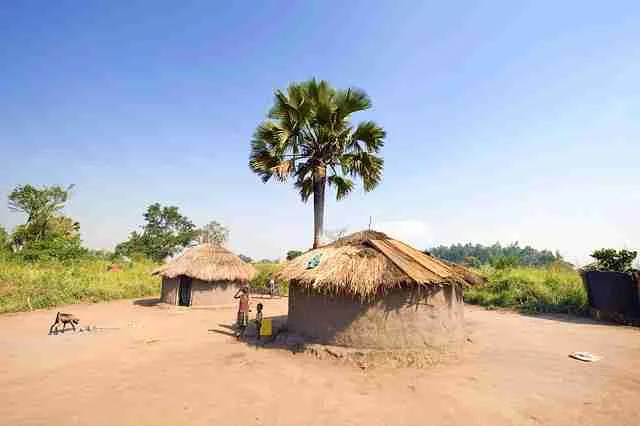
Uganda - What to see - The Karamojong Community
Discover the Karamojong Community
The Karamojong community in Uganda is a vibrant and resilient group with a rich cultural heritage. Living in the semi-arid Karamoja region in the northeast of the country, they are primarily agro-pastoralists who combine livestock rearing with crop cultivation. Today, the Karamojong population is estimated at around 1.2 million people, organised into several clans, each with distinct customs and traditions.
Culture and Traditions
The Karamojong are known for their strong sense of unity and deep respect for elders. Extended families form the backbone of social life, and gatherings often centre around shared responsibilities and celebrations. Historically, the community has maintained a warrior tradition, rooted in the defence of land and resources.
One of the most significant cultural features is the kraal—a fenced enclosure where livestock is kept. Beyond its practical purpose, the kraal serves as a social hub for ceremonies, storytelling, and communal activities. Another traditional practice is cattle raiding, historically seen as a way to demonstrate bravery and gain social status. While this custom has cultural roots, it has also contributed to conflict, making peacebuilding efforts essential in the region.
Language and Beliefs
The Karamojong speak Karimojong, a Nilotic language characterised by tonal variations that alter word meanings. This linguistic complexity reflects the richness of their oral traditions, which include songs, poems, and stories passed down through generations.
Spiritual beliefs traditionally centre on animism, with the conviction that all elements of nature possess spirits. The community also recognises a supreme being called Akuj, who is regarded as the creator and protector. These beliefs influence rituals and ceremonies that mark important life events.
Economy and Livelihoods
Livestock plays a central role in Karamojong life, providing food, income, and social status. Cattle, goats, and sheep are the most common animals, while crops such as millet, sorghum, and beans supplement diets and trade. However, the semi-arid climate and frequent droughts make farming and herding challenging.
Despite these difficulties, the Karamojong engage in trade with neighbouring communities and across borders. Handcrafted goods, including pottery, baskets, and beadwork, are often exchanged for essential supplies. These crafts also serve as cultural expressions, showcasing creativity and skill.
Challenges Facing the Karamojong Community
Environmental and socio-economic challenges shape life in Karamoja.
- Poverty: Limited resources and harsh conditions contribute to widespread poverty.
- Drought: Prolonged dry spells lead to crop failure, water scarcity, and livestock deaths.
- Insecurity: Historical cattle raiding and occasional banditry have created instability, although recent peace initiatives have reduced violence.
Climate change intensifies these issues, making sustainable solutions more urgent.
Efforts to Support the Community
Government programmes and non-governmental organisations are working to improve living conditions in Karamoja. Initiatives focus on education, healthcare, and food security, as well as on projects promoting peace and conflict resolution. Infrastructure development, such as roads and water systems, is also underway to enhance connectivity and resilience.
Community-led efforts play a vital role in these improvements. By combining traditional knowledge with modern practices, the Karamojong are adapting to changing conditions while preserving their cultural identity.
Cultural Expressions and Daily Life
The Karamojong are celebrated for their distinctive attire, often featuring garments adorned with beads and vibrant patterns. Music and dance are integral to social gatherings, with rhythmic performances marking weddings, harvests, and other milestones.
Oral traditions remain strong, ensuring that stories and wisdom are passed from one generation to the next. Craftsmanship is another hallmark of Karamojong culture, with artisans producing pottery, woven baskets, and intricate beadwork that reflect both utility and artistry.
Visiting Karamoja
Travellers interested in cultural immersion will find Karamoja a rewarding destination. Visits to local homesteads and kraals offer insight into daily life, while guided tours provide opportunities to learn about traditional practices and community resilience. Responsible tourism is encouraged, with emphasis on respecting customs and supporting local initiatives.
Why the Karamojong Community Matters
The Karamojong community exemplifies resilience in the face of adversity. Despite environmental challenges and historical conflicts, they continue to uphold traditions while embracing development opportunities. Their story is one of adaptation, strength, and cultural pride.
Exploring Karamoja provides a chance to engage with a community that values heritage and harmony with nature. With ongoing support and sustainable practices, the Karamojong are building a future that honours their past while embracing progress.
Key Highlights:
- Rich cultural traditions centred on family, livestock, and ceremonies.
- Language and beliefs rooted in oral heritage and spiritual respect for nature.
- Economic activities combining herding, farming, and craftsmanship.
- Challenges include poverty, drought, and insecurity, addressed through collaborative efforts.
- Vibrant music, dance, and crafts reflecting creativity and identity.
The Karamojong community is a testament to cultural endurance and adaptability. Visiting Karamoja offers a unique perspective on Uganda’s diversity and the strength of communities working towards a better tomorrow.