
Why Visit Dakar in Senegal?
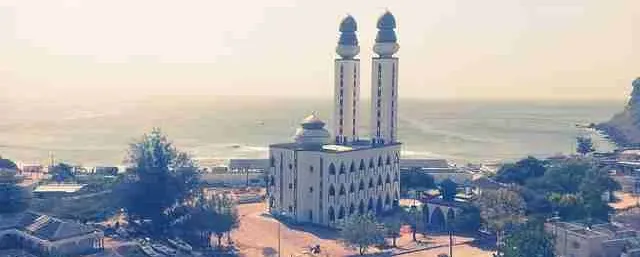
Dakar, the lively capital of Senegal, sits proudly on the Cape Verde Peninsula, where the Atlantic Ocean meets West Africa. Known for its rich history, vibrant culture, and stunning coastline, Dakar offers an experience that blends tradition with modern energy.
A City Steeped in History and Culture
Dakar's story stretches back centuries, founded in the 15th century as a hub for trade and later a focal point during colonial times. Its architecture and cultural fabric reflect Portuguese, Dutch, French, and British legacies.
One of Dakar's most poignant sites is Gorée Island, a UNESCO World Heritage Site and once a centre of the transatlantic slave trade. Another landmark is the African Renaissance Monument, soaring 160 feet above the city, one of Africa's tallest monuments and offering sweeping views from its summit.
The National Museum of Senegal showcases artefacts that narrate the country's rich heritage, while the Dakar Biennale celebrates contemporary creativity every two years.
Beaches and Natural Escapes
Ngor Island, just a short boat ride away, offers calm waters ideal for swimming and snorkelling. Yoff Beach is popular with surfers, while Terrou-Bi Beach provides a more relaxed vibe. Beyond the shoreline, Hann Park offers lush greenery and walking trails, the Madeleine Islands Reserve is perfect for birdwatching, and the Dakar Zoo introduces visitors to species native to West Africa.
Flavours and Nightlife
Thiéboudienne, a hearty mix of fish and rice, is considered Senegal's national dish, alongside Mafé, a rich peanut stew, and Yassa Poulet, chicken marinated in lemon and onions. As night falls, Dakar transforms into a hub of music and entertainment, with venues like Le Point d'Interrogation, La Voile Bleue, and Just 4 U favourites among locals and visitors alike.
Practical Information for Visitors
- Language: French is the official language, but Wolof is widely spoken.
- Currency: transactions use the West African CFA franc (XOF). Cards are accepted in many places, but cash is useful for markets.
- Climate: a tropical climate with a wet season from June to October and a dry season from November to May.
- Transport: taxis are the most convenient way to get around. Public buses exist but can be crowded and confusing for newcomers.
- Accommodation: options range from budget-friendly guesthouses to luxury hotels. Book early during peak seasons.
- Safety: Dakar is generally safe, but remain alert to petty theft and avoid walking alone at night.
- Dress modestly: Senegal is predominantly Muslim, so modest clothing is recommended, especially at religious sites.
Dakar is more than a destination; it's an experience that blends history, culture, and natural beauty. Whether you're strolling along the Atlantic coast, exploring historic streets, or dancing to local rhythms, Dakar delivers moments that linger long after your journey ends.
Ready to Explore Senegal?
Get in touch with our expert travel consultants to include Dakar in your itinerary.