The Impact of a Gorilla Trek in Rwanda on Community Development
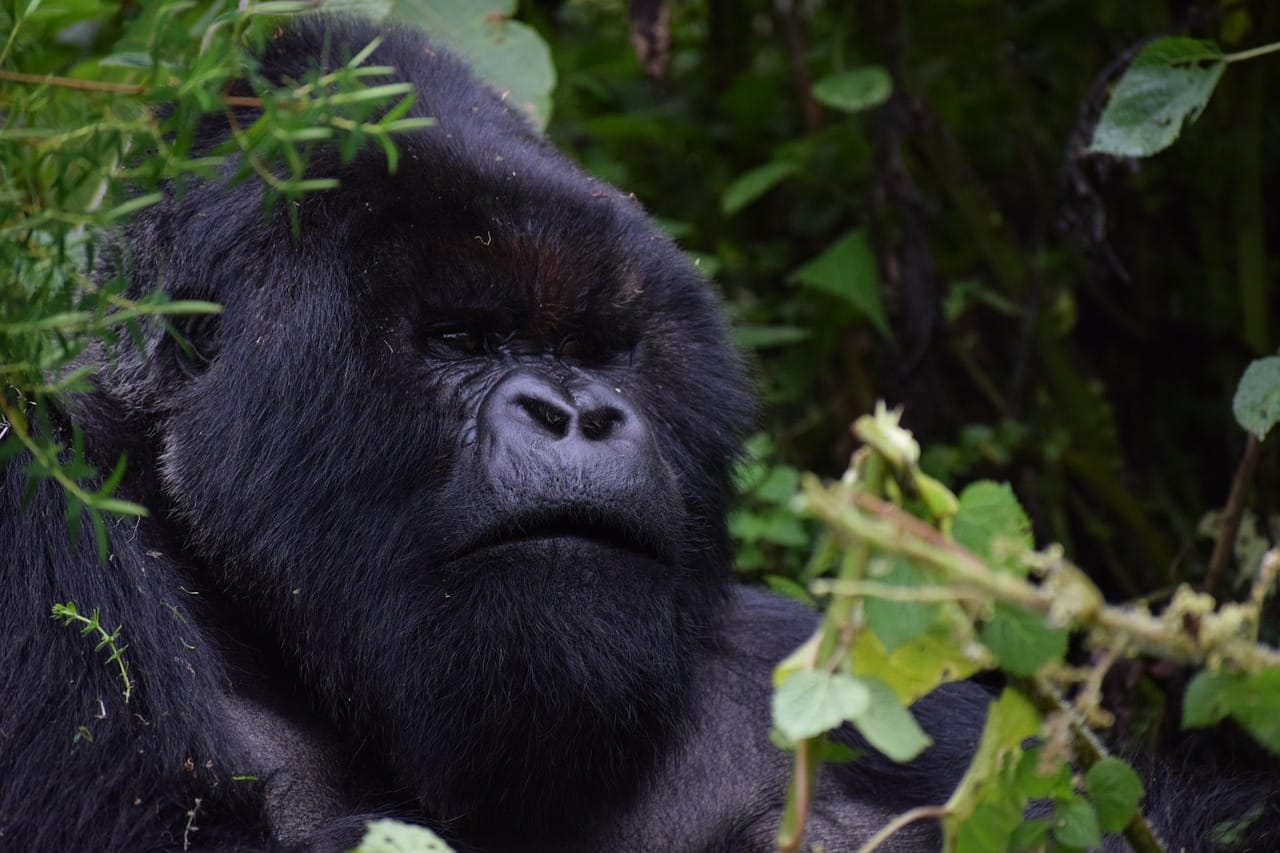
Rwanda, known as the Land of a Thousand Hills, is celebrated for its breathtaking landscapes and unique wildlife experiences. Among its most iconic attractions is the gorilla trek in Volcanoes National Park. This extraordinary adventure offers travellers the chance to encounter mountain gorillas in their natural habitat. Yet, the significance of gorilla trekking extends far beyond the thrill of the experience. It represents a cornerstone of sustainable tourism that benefits local communities, protects biodiversity, and fosters cultural preservation.
In this article, we will explore how sustainable tourism in Rwanda creates positive change for rural communities, highlight real life examples, and share practical tips for travellers who want to make a meaningful impact.
Why Gorilla Trekking in Rwanda Is More Than an Adventure
Gorilla trekking is Rwanda’s flagship tourism activity, attracting visitors from across the globe. A permit costs $1,500, and a portion of this fee is dedicated to conservation and community development. The Rwanda Development Board allocates 10% of permit revenue to local communities living near national parks. This revenue-sharing model ensures that tourism not only protects endangered species but also improves lives.
Villages surrounding Volcanoes National Park have seen remarkable transformations. Funds from tourism have financed schools, health centres, and infrastructure projects. Families who once relied solely on subsistence farming now have access to new income streams, reducing poverty and creating opportunities for future generations.
Economic Empowerment Through a Gorilla Trek
The economic benefits of sustainable tourism are evident in rural areas near Volcanoes National Park. Tourism revenue has enabled communities to invest in education and healthcare, improving overall living standards. Parents can send their children to school, and access to medical facilities has increased significantly.
Beyond infrastructure, gorilla trekking creates direct employment. Local people work as guides, porters, and lodge staff. These jobs provide stable income and reduce reliance on environmentally harmful activities such as poaching or deforestation. For many families, tourism has become a reliable source of livelihood, offering financial security and hope for the future.
Job Creation and Skills Development
Sustainable tourism does more than generate income; it builds skills and careers. Community-based lodges such as Sabyinyo Silverback Lodge employ local residents and reinvest profits into development projects. Training programmes teach hospitality and guiding skills, empowering young people to pursue careers without leaving their villages.
In addition to lodges, craft cooperatives and cultural centres provide employment opportunities. Artisans create traditional baskets and textiles for sale to visitors, while cultural performers share music and dance. These initiatives allow communities to earn income while preserving their heritage.
Cultural Preservation and Community Pride
Tourism can sometimes erode traditions, but Rwanda’s approach strengthens cultural identity. Experiences such as the Iby’Iwacu Cultural Village offer travellers an opportunity to learn about local customs in an authentic and respectful way. Visitors can participate in basket weaving workshops, enjoy traditional dance performances, and hear stories from former poachers who now advocate for conservation.
These cultural exchanges generate income and foster pride among community members. By sharing their heritage, locals gain recognition and appreciation for their traditions, ensuring they remain vibrant for future generations.
Environmental Protection and Shared Responsibility
Sustainable tourism benefits ecosystems as well as people. Revenue from gorilla trekking funds anti-poaching patrols, habitat restoration, and wildlife monitoring. Communities are actively involved in conservation education, creating a sense of shared responsibility for protecting natural resources.
Thanks to these efforts, Rwanda’s mountain gorilla population has grown steadily. This success story demonstrates how tourism can support biodiversity while improving human well-being. When communities see tangible benefits from conservation, they become strong advocates for protecting wildlife.
Challenges and Opportunities
Despite Rwanda’s achievements, challenges remain. Tourism growth can place pressure on resources and lead to cultural commodification if not managed carefully. However, Rwanda’s strict regulations help mitigate these risks. Group sizes for gorilla treks are limited, and eco-lodge standards are enforced to minimise environmental impact.
The greatest opportunity lies in expanding community-based tourism beyond national parks. Rural homestays, agro-tourism experiences, and craft cooperatives can spread benefits more widely. By diversifying tourism offerings, Rwanda can ensure that growth remains inclusive and sustainable.
Three Actionable Tips for Responsible Gorilla Trekking
Travellers play a vital role in supporting sustainable tourism. Here are three practical ways to make a positive impact during your visit:
1. Choose Community-Based Experiences
Select lodges and guesthouses that employ local staff and reinvest profits into community projects. Consider visiting cultural villages such as Iby’Iwacu or booking tours with cooperatives that showcase traditional crafts. These choices ensure your spending benefits local people directly.
2. Respect Wildlife and Local Customs
Follow park guidelines during gorilla treks. Maintain a safe distance from animals, avoid littering, and never feed wildlife. In rural areas, dress modestly and learn a few words of Kinyarwanda to show respect. These small gestures create meaningful connections and demonstrate cultural sensitivity.
3. Buy Local and Give Back
Purchase souvenirs directly from artisans rather than imported goods. If you wish to contribute further, donate to verified community projects instead of giving money to individuals. This approach supports long-term development and avoids creating dependency.
Ready for Your Rwanda Gorilla Trek?
Sustainable tourism in Rwanda proves that travel can be a force for good. By protecting wildlife and empowering communities, Rwanda offers a model for responsible tourism worldwide. Every permit purchased, every locally made basket bought, and every respectful interaction helps build a brighter future for the Land of a Thousand Hills.
When you choose to travel responsibly, you become part of a story that benefits both people and planet. Rwanda’s success shows that tourism can create harmony between conservation and development. As you plan your gorilla trek, remember that your choices matter. Together, we can ensure that this remarkable destination continues to thrive for generations to come.