
Pakistan Guided Tours
Small Group Escorted Tours and Tailormade Holidays
Pakistan – The Kingdom of Hunza
From £1995 per person
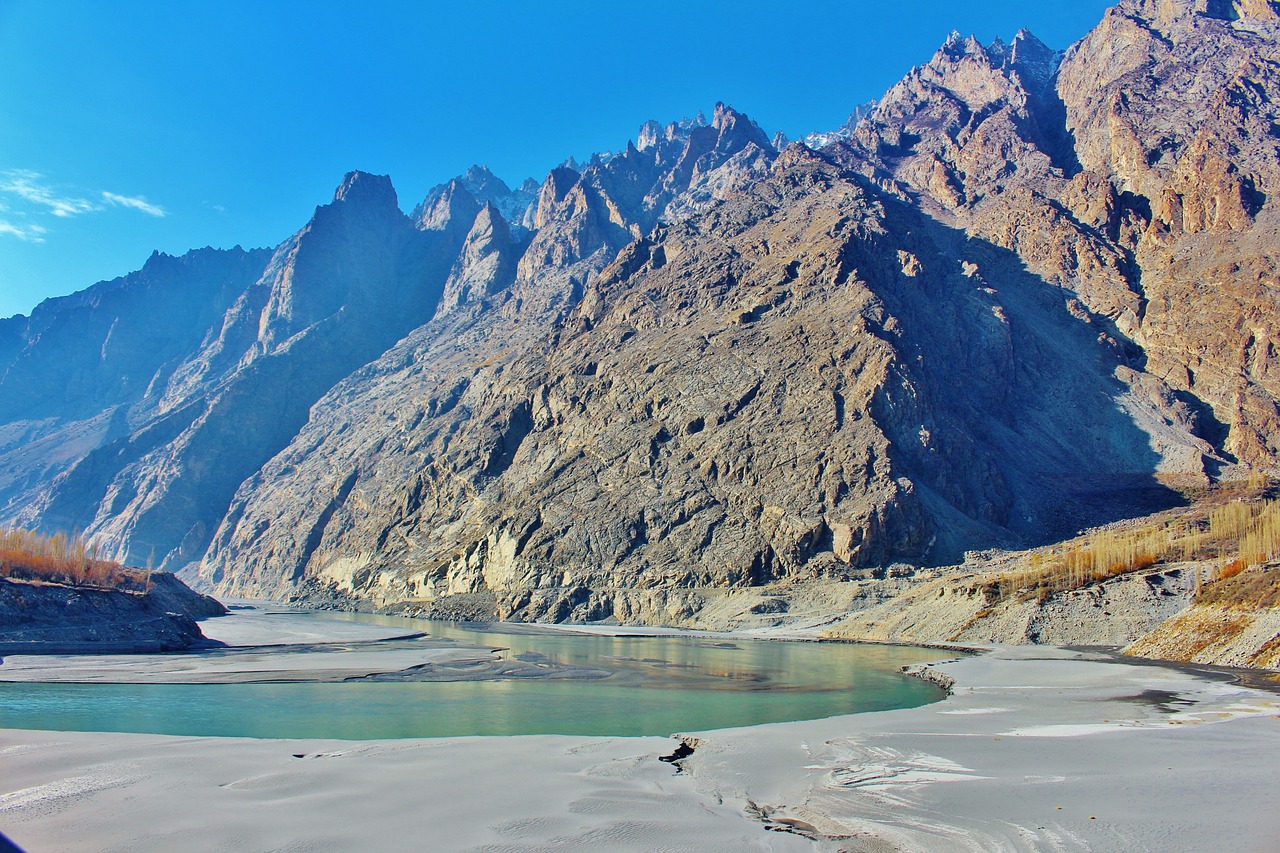
Our Local Tour is proud to offer a unique journey in Pakistan. Explore The Kingdom of Hunza on this escorted tour to northern Pakistan.
Pakistan Tours: A Journey Through Culture, Nature, and Adventure
As a country, Pakistan offers a remarkable blend of landscapes, history, and culture. From the towering peaks of the Himalayas to the fertile valleys of the Indus River, the country presents a diverse and captivating experience. Its heritage stretches back to the ancient Indus Valley Civilisation, while its vibrant traditions in music, dance, and art continue to thrive today. Whether you're drawn to deserts, mountains, or coastlines, Pakistan tours reveal a destination full of wonder.
Discovering Lahore: The Cultural Capital
Lahore, often considered the cultural heart of Pakistan, is a city steeped in history and energy. The Lahore Fort, a masterpiece from the Mughal era, showcases intricate architecture and centuries of stories. Nearby, the Badshahi Mosque stands as a symbol of grandeur, offering a peaceful space for reflection and admiration.
Wandering through the Walled City introduces you to lively bazaars, colourful festivals, and irresistible street food. Each corner reveals something new, from handcrafted goods to traditional sweets. With every step, Lahore invites you to engage with its rich cultural fabric.
Northern Pakistan: Valleys, Peaks, and Ancient Routes
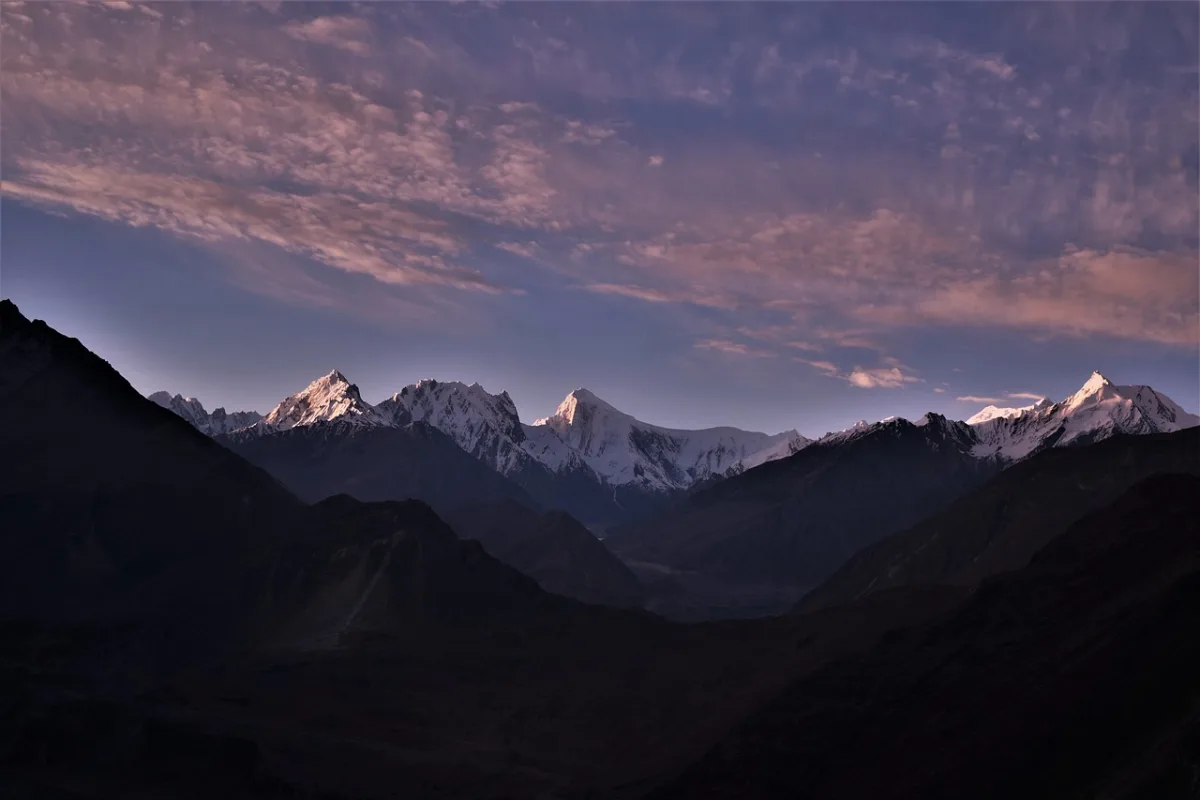
Heading north, the valleys of Gilgit-Baltistan offer some of the most breathtaking scenery in South Asia. Hunza, with its terraced fields and fruit orchards, sits beneath the towering Karakoram Range. The region's beauty is matched by its historical significance, as it lies along the ancient Silk Route.
Altit and Baltit Forts, perched above Hunza, provide panoramic views and a glimpse into centuries-old architecture. Attabad Lake, formed by a landslide in 2010, adds a surreal touch to the landscape with its turquoise waters and dramatic cliffs. These destinations combine natural splendour with cultural depth, making them essential stops on any tour.
Adventure in the High Mountains
For those seeking adventure, northern Pakistan delivers in abundance. The region is home to some of the world's highest peaks, including K2, the second-tallest mountain on Earth. Treks through Gilgit-Baltistan reveal dramatic terrain, from glacial valleys to alpine meadows.
Nanga Parbat and Rakaposhi, two other towering giants, offer stunning views and challenging routes. Whether you're an experienced trekker or simply wish to admire the mountains from a scenic viewpoint, the area provides unforgettable experiences. With guided tours available, visitors can explore safely while learning about the region's geography and ecology.
Baltistan: A Land of Natural and Cultural Riches
Baltistan, nestled within the Karakoram Range, is a destination that combines natural beauty with cultural heritage. Often referred to as the "Land of the High Passes," it welcomes travellers with open arms and awe-inspiring scenery. Snow-capped peaks, shimmering glaciers, and lush valleys create a landscape that feels almost otherworldly.
Skardu, Shigar, and Khaplu are among the region's highlights. These towns offer access to trekking routes, photography opportunities, and peaceful retreats. The views alone are worth the journey, but the warmth of the local communities adds another layer to the experience.
Cultural Heritage and Local Connections
Baltistan's cultural heritage reflects a blend of Tibetan and Balti influences. Ancient monasteries, such as Kharpocho Fort and Khaplu Palace, showcase detailed architecture and historical artefacts. These sites provide insight into the region's spiritual and artistic traditions.
Visitors on guided tours often have the chance to attend local festivals, enjoy music and dance performances, and connect with residents. These moments foster understanding and appreciation, turning a holiday into a meaningful exchange. With each interaction, travellers gain a deeper sense of place and community.
Trekking and Outdoor Adventures
For adventure seekers, Baltistan is a true playground. The region features some of the world's most renowned trekking routes, including the Baltoro Glacier and the path to K2 Base Camp. These treks challenge the body and inspire the soul, offering views that few places on Earth can match.
While the terrain is rugged, the rewards are immense. Glacial valleys, high-altitude passes, and remote campsites create a sense of exploration and achievement. Guided treks ensure safety and provide valuable knowledge about the environment and local customs.
Why Choose Pakistan Tours?
Pakistan offers a travel experience that is both affordable and enriching. Its landscapes range from deserts to mountains, while its cities pulse with life and history. Whether you're interested in cultural exploration, nature photography, or high-altitude trekking, Pakistan tours cater to a wide variety of interests.
With welcoming communities, diverse traditions, and stunning scenery, Pakistan invites travellers to look beyond the headlines and discover its true character. Every journey here is filled with moments of connection, discovery, and awe.
Interested in Pakistan?
Send Us a Quick Enquiry
Tell us a little about what you’re looking for and one of our travel experts will get back to you.
Group and Tailormade Pakistan Holidays
Our Local Travel Experts in Pakistan
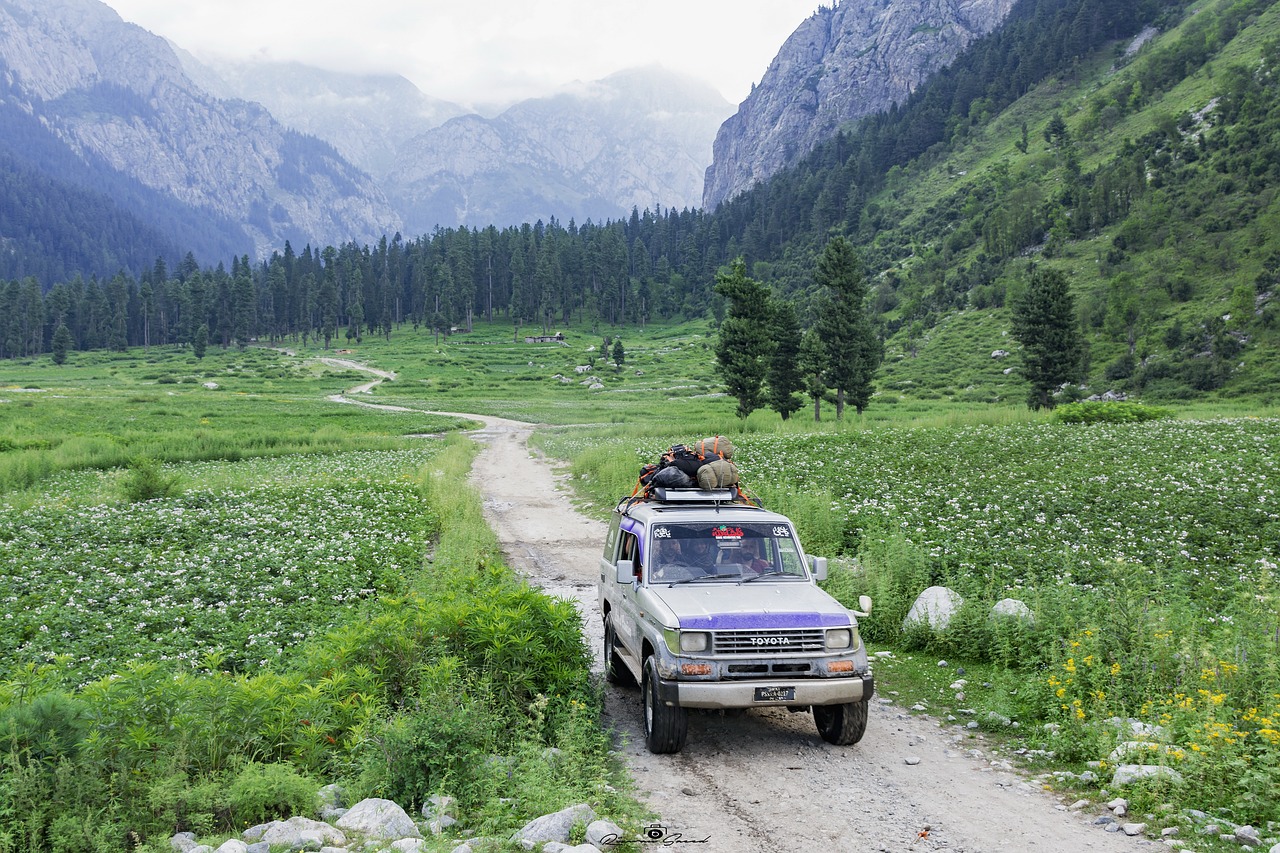
Our local partner in Pakistan offers an opportunity to discover the country's hidden gems and create lifelong memories on a range of guided tours. Whether you're a seasoned adventurer or a first-time visitor, they promise an exceptional journey showcasing Pakistan's natural wonders and cultural heritage. What sets them apart is their commitment to responsible and sustainable tourism practices. They work closely with local communities, ensuring that the benefits of tourism are shared equitably. Our local partner employs knowledgeable local guides who provide deep insights into the history, culture, and natural wonders of the regions they explore.
Culture and History: A Tapestry of Time and Tradition
Pakistan's cultural and historical landscape is as diverse as its geography. From ancient civilisations to modern-day traditions, the country offers a rich and evolving story that continues to shape its identity. Those embarking on Pakistan tours will find themselves immersed in a blend of influences that span thousands of years.
Ancient Foundations: The Indus Valley Civilisation
The roots of Pakistan's cultural heritage stretch back to one of the world's earliest urban societies, the Indus Valley Civilisation. Flourishing between 2600 and 1900 BCE, this advanced society left behind remarkable examples of town planning, craftsmanship, and artistic expression. Cities like Mohenjo-Daro and Harappa reveal a sophisticated way of life, with organised streets, drainage systems, and intricate seals that hint at a complex belief system.
This civilisation laid the groundwork for many cultural practices that still resonate today. Its legacy continues to inspire archaeological research and cultural pride across the region.
Influences of Empires and Conquests
Following the decline of the Indus Valley Civilisation, the region saw the rise and fall of several powerful empires. Each brought new ideas, customs, and artistic styles that enriched Pakistan's cultural fabric. The Persian Empire introduced administrative systems and architectural styles that influenced later structures.
Alexander the Great's arrival brought Hellenistic elements, while the Kushan Empire played a key role in the spread of Buddhism, leaving behind stunning sculptures and monasteries. The Mughal Empire, known for its architectural brilliance and patronage of the arts, contributed significantly to Pakistan's cultural identity. Landmarks such as the Lahore Fort and Shalimar Gardens reflect this era's grandeur and attention to detail.
Colonial Impact and Cultural Shifts
In the 19th century, British colonial rule reshaped many aspects of life in the region. Educational institutions, legal systems, and infrastructure were introduced, and elements of British culture became part of everyday life. English became widely spoken, and Western styles of dress and governance were adopted in many areas.
Despite the challenges of colonialism, this period also saw the emergence of new cultural movements. Writers, poets, and artists began to blend traditional themes with modern ideas, creating a unique fusion that continues to influence Pakistani literature and art.
Post-Independence Identity and Islamic Traditions
Pakistan gained independence in 1947, becoming a Muslim-majority nation. This shift brought Islamic traditions to the forefront of cultural life. Religious festivals, architectural styles, and social customs began to reflect Islamic values more prominently. Mosques such as Faisal Mosque in Islamabad and Badshahi Mosque in Lahore became symbols of national pride and spiritual heritage.
At the same time, Pakistan's cultural diversity remained intact. Communities across the country continued to celebrate their own languages, cuisines, and artistic expressions, contributing to a dynamic and inclusive national identity.
A Living Culture: Diversity and Evolution
Today, Pakistan's culture is a vibrant blend of ancient traditions and contemporary influences. From classical music and poetry to modern fashion and cinema, the country's creative spirit thrives. Regional languages such as Punjabi, Sindhi, Pashto, and Balochi add depth to the cultural landscape, while Urdu serves as a unifying national language.
Traditional crafts, including embroidery, pottery, and carpet weaving, remain popular and are often passed down through generations. Meanwhile, urban centres like Karachi, Lahore, and Islamabad showcase a mix of global trends and local customs, reflecting the country's openness to change and innovation.
Why Culture Matters on Pakistan Tours
Exploring Pakistan's culture and history offers more than just sightseeing, it provides meaningful connections with people and places. Visitors can attend local festivals, visit historical landmarks, and engage with artisans who keep centuries-old traditions alive. These experiences foster understanding and appreciation, making every journey through Pakistan a chance to learn and grow.
Whether you're drawn to ancient ruins, architectural wonders, or vibrant street life, Pakistan tours offer a window into a culture that is both rooted in history and alive with possibility. With each encounter, travellers gain insight into a nation that continues to evolve while honouring its past.
Group Tours Pakistan
Pakistan, a country often overlooked by international travellers, offers countless surprises waiting to be discovered. Visiting this land introduces you to a population known for its warmth and generosity, making every journey memorable. Alongside its welcoming people, Pakistan's culinary scene stands out as one of the most flavourful and diverse in the world.
For those seeking destinations beyond the usual tourist trail, Pakistan presents a rich mix of cultural experiences and breathtaking landscapes. From the bustling streets of Karachi and Lahore to the towering snow-covered peaks of the Karakoram Mountains, the country impresses with its variety and charm.
Hospitality and Human Connection
What truly sets Pakistan apart is the spirit of its people. Widely recognised for their friendliness and openness, locals often go out of their way to assist visitors and share stories. These genuine interactions create lasting impressions and foster connections that go far beyond the journey itself.
Beyond the warmth of human connection, the culinary adventure in Pakistan is equally unforgettable. The country's cuisine draws from Middle Eastern, Central Asian, and South Asian influences, resulting in a rich fusion of flavours. Dishes such as aromatic biryani, slow-cooked haleem, and spicy nihari offer a sensory journey through Pakistan's food heritage.
Cultural Diversity and Scenic Wonders
Travellers on group tours can expect to explore a wide range of cultural and natural highlights. Each region of Pakistan brings its own traditions, languages, and culinary specialities, contributing to a vibrant national identity. Whether you're wandering through ancient bazaars, admiring Mughal architecture, or enjoying a cup of chai in a mountain village, every moment offers something new.
If you're looking for a travel experience that combines hospitality, flavour, and stunning scenery, Pakistan welcomes you with open arms. Its friendly communities, rich culinary traditions, and awe-inspiring landscapes create the perfect setting for a journey filled with discovery. Prepare to be inspired as you explore the wonders of Pakistan, where every turn reveals something extraordinary.