
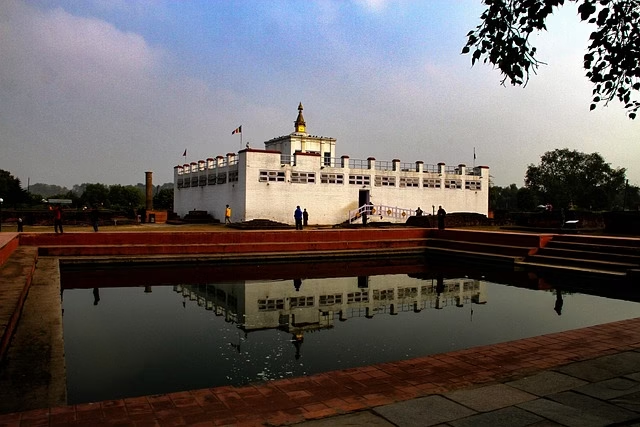
Lumbini, Nepal: Birthplace of Buddha
Lumbini, in the southern plains of Nepal, is the birthplace of Siddhartha Gautama. He later became known as the Buddha, so Lumbini holds great spiritual significance for Buddhists worldwide. This UNESCO World Heritage Site welcomes countless pilgrims each year. They come to explore its sacred gardens, ancient monasteries, and the striking Maya Devi Temple.
The Maya Devi Temple and Sacred Gardens
The Maya Devi Temple is the heart of the Lumbini complex and marks the exact location of the Buddha's birth. Beside it stands the Ashoka Pillar, erected by Emperor Ashoka in 249 BC. Around the sacred gardens, Buddhist communities from across the world have built beautifully designed monasteries. As a result, each one reflects a different national style of architecture and devotion.
A Place for Reflection in Lumbini, Nepal
Lumbini is a serene sanctuary. Its sacred gardens and quiet monastic grounds offer a place for reflection and connection. Consequently, it draws visitors from around the world who seek peace and insight. Early morning and late afternoon are the quietest times to walk the grounds.
Monastic Life and Spiritual Experiences
Monasteries throughout Lumbini serve as centres for learning, meditation, and spiritual practice. A long canal divides the monastic zone, with Theravada monasteries to the east and Mahayana to the west. Visitors are often welcome to observe monks during daily rituals. Alternatively, you can join a meditation retreat for a deeper understanding of Buddhist teachings.
Some travellers come for spiritual reflection. Others simply want to experience one of the most significant religious sites in the world. Either way, Lumbini offers a peaceful and moving addition to any Nepal itinerary. It is a short flight from Kathmandu, and it also combines well with Chitwan National Park.
Ready to Explore Lumbini and Nepal?
Get in touch with our expert travel consultants to include Lumbini in your itinerary.