
Tiger Safari in India
India - What to See and Do - Tiger Safair
Highlights of a Tiger Safari
India is home to more than half of the world’s remaining wild tigers, making it the ultimate destination for anyone eager to see these magnificent animals in their natural habitat. A tiger safari in India offers an unforgettable experience, combining the thrill of spotting tigers with encounters with other wildlife such as elephants, leopards, and sloth bears.
Spotting a Tiger in the Wild
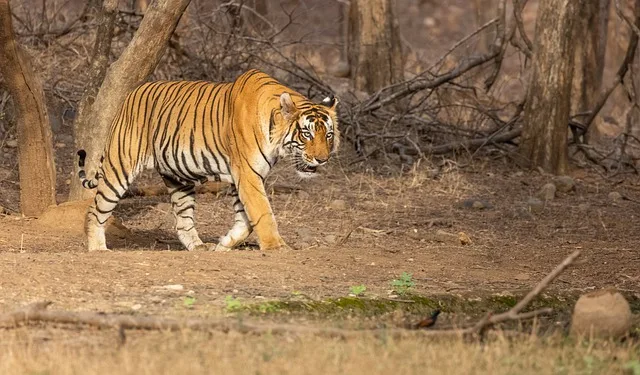
The highlight of any tiger safari is, without doubt, the chance to see a tiger roaming freely. Tigers are elusive and perfectly camouflaged, which makes sightings rare and exciting. However, with the guidance of experienced trackers and a little luck, visitors have a good chance of spotting one.
Game drives usually take place at dawn and dusk, when tigers are most active. These early starts are well worth the effort. Guides lead you through the park, scanning for tracks and movement. When a tiger is sighted, the jeep stops, allowing you to observe this solitary predator in its natural environment. Occasionally, visitors may see a mother with cubs or even rival males asserting dominance over territory.
A Jeep Safari Through the Jungle
Even if a tiger remains elusive, a jeep safari through India’s jungles is an adventure in itself. These forests teem with life, offering glimpses of elephants, leopards, sloth bears, deer, monkeys, and countless bird species. Along the way, you might pass ancient ruins and temples, reminders of India’s layered history.
Guides enrich the experience by sharing insights about the park’s ecosystem, its flora and fauna, and conservation efforts. Learning how these habitats are protected adds depth to the journey and highlights the importance of sustainable tourism.
Encountering Other Wildlife
A tiger safari is not only about tigers. Elephants are among the most popular animals to see, often spotted grazing in grasslands or cooling off in rivers. Leopards, though even more elusive than tigers, occasionally appear resting on rocky outcrops or climbing trees.
Sloth bears add another dimension to the adventure. Known for their love of honey and relaxed behaviour, they are a delight to observe. Fans of literature may recognise them from Rudyard Kipling’s The Jungle Book, where Baloo was inspired by this species.
Beyond these large mammals, the parks are home to diverse wildlife, including several species of deer and primates. Birdwatchers will be thrilled by the abundance of avian life. India’s jungles host over 1,300 bird species, ensuring plenty of opportunities for photography and observation.
Discovering India’s Culture and History
Tiger safaris often take place in national parks that are rich in cultural heritage. Ranthambore National Park, for example, features the impressive Ranthambore Fort, built in the 10th century. Similarly, Kanha National Park is home to Bagdara Temple, which dates back to the 11th century.
Visitors can also explore nearby villages to experience traditional lifestyles. These visits provide a glimpse into local customs and may include cultural performances, offering a deeper understanding of the region’s history and identity.
Staying in Jungle Lodges
After a day of adventure, relaxing in a comfortable lodge is the perfect way to end the day. Accommodation options range from budget-friendly guesthouses to luxurious lodges set within the park. Staying inside the reserve offers a unique experience, allowing guests to wake up to birdsong and immerse themselves in nature.
Many lodges combine comfort with sustainability, ensuring that tourism supports conservation and local communities. Dining often includes regional dishes, giving visitors a taste of authentic Indian flavours.
Tips for Planning a Tiger Safari
- Best Time to Visit: The dry season, from October to May, offers the best chances of spotting wildlife.
- Book Early: Safaris are popular, so reserve your spot well in advance, especially during peak months.
- Choose a Reputable Operator: Select companies that prioritise safety and conservation.
- Pack Smart: Weather can change quickly, so bring layers and essentials for both warm and cool conditions.
- Respect Nature: Follow park guidelines, avoid disturbing wildlife, and minimise environmental impact.
Why a Tiger Safari is Unforgettable
A tiger safari in India is an immersive experience that connects visitors with nature, culture, and history. From the thrill of spotting a tiger to the serenity of jungle landscapes and the richness of local traditions, every moment leaves a lasting impression.
There has never been a better time to plan this adventure. India’s national parks are working tirelessly to protect these majestic animals and their habitats, ensuring that future generations can share in the wonder of seeing tigers in the wild.
Key Highlights:
- Chance to see tigers in their natural habitat.
- Diverse wildlife including elephants, leopards, and sloth bears.
- Cultural and historical sites within national parks.
- Unique accommodation options inside the jungle.
- Opportunities for sustainable and responsible travel.