
Bangladesh – Why Visit the Bangladesh Tea Plantations?
Visit Bangladesh Tea Plantations
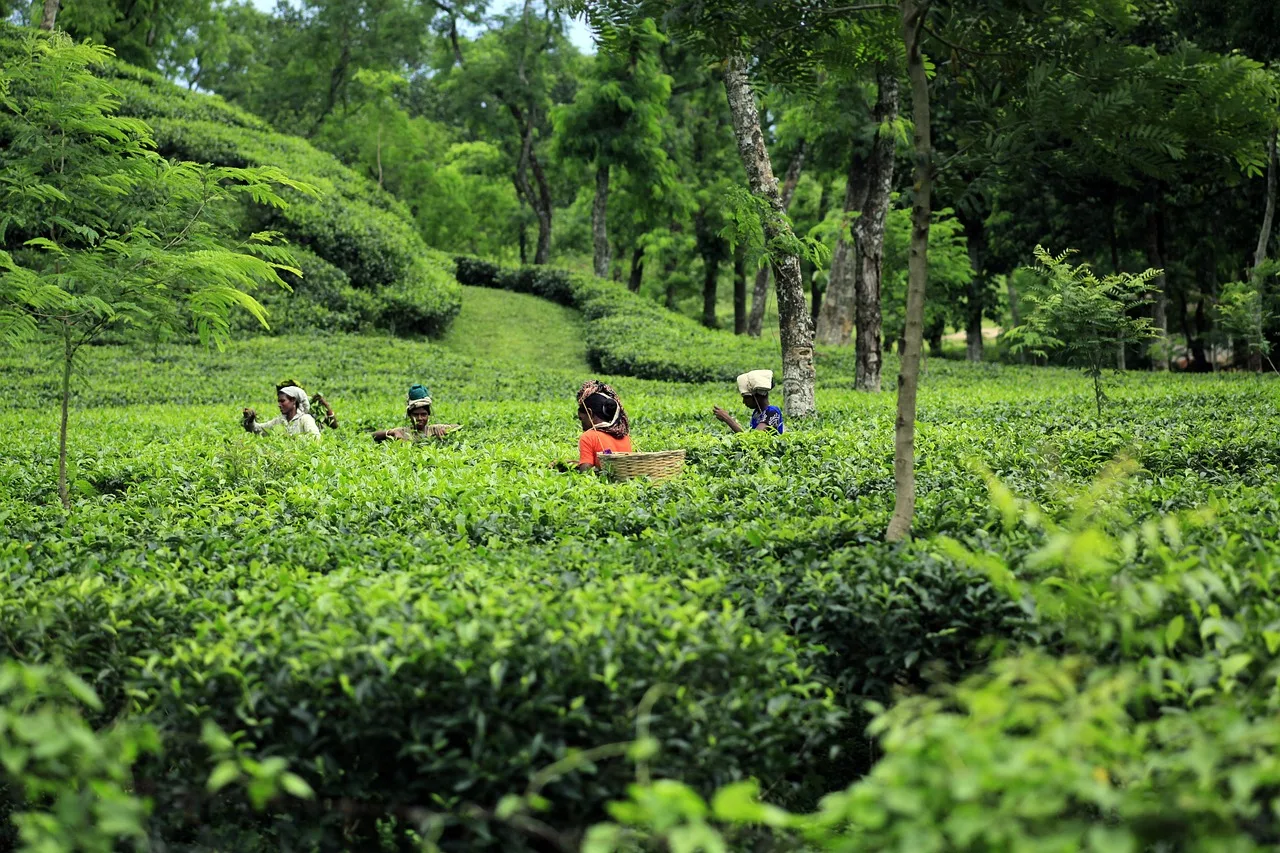
In the rolling hills of northeastern Bangladesh, tea plantations stretch across the landscape in vibrant shades of green. These serene estates offer scenic beauty and provide a window into the country's agricultural heritage, as well as a slower, more mindful way of life. For those seeking a peaceful escape from urban bustle, visiting Bangladesh's tea plantations promises a rich and rewarding experience.
The air carries the scent of freshly plucked leaves, and the rhythm of daily life follows the gentle pace of nature. This journey invites travellers to explore not only the visual splendour of the tea gardens but also the stories, traditions and sustainable practices that define the region.
Sylhet: Gateway to the Tea Gardens
Sylhet serves as the starting point for most visits to Bangladesh's tea-growing regions. Located near the Indian border, this hilly, lush and cool area features the ideal terrain for cultivating tea. As you travel through Sylhet, neatly arranged rows of tea bushes cover the slopes, creating a patchwork of green that seems to stretch endlessly.
The region's climate and soil conditions support the growth of high-quality tea – misty mornings and gentle breezes contribute to the unique flavour profiles found in local varieties. Travellers often find themselves slowing down, drawn into the calm and beauty of the surroundings.
Exploring the Tea Estates
Many of Bangladesh's tea estates date back to the colonial period, yet they continue to evolve with time. Visiting estates such as Ratnodweep Tea Garden reveals a blend of tradition and innovation, with workers moving through the fields with practised ease, plucking leaves with care and precision.
The process of tea cultivation unfolds in stages – after harvesting, leaves are taken to nearby factories for drying, rolling and sorting. Visitors are often welcomed warmly by those who work in the gardens, whose stories highlight the challenges and successes that shape the tea industry in Bangladesh.
Tea Tourism
Tea tourism is gaining popularity in Bangladesh, offering immersive experiences for curious travellers. Many estates now feature guest bungalows that combine colonial architecture with modern comfort, allowing guests to wake up to mist-covered hills and the aroma of freshly brewed tea.
Guided tours provide a closer look at the tea-making process, from planting and harvesting to blending and tasting, often including walks through the gardens. Tea tastings are a highlight, with guests sampling different varieties, comparing flavours and aromas from bold black teas to delicate green blends.
Sustainability and Responsible Practices
Bangladesh's tea plantations are increasingly focused on sustainability. Many estates adopt eco-friendly methods to protect the environment and support local communities, including reducing chemical use, conserving water and maintaining biodiversity through reforestation and wildlife protection initiatives.
Fair labour practices also play a vital role – estates that prioritise worker welfare contribute to stronger communities and more ethical production. Supporting these plantations helps promote responsible tourism and sustainable development.
Connecting with Culture Through Tea
Sharing tea is a daily ritual, a gesture of hospitality and a moment of connection. Conversations over tea often lead to stories about family, work and community, offering insight into local life. Learning to brew tea the traditional way adds another layer to the experience, with guests sometimes invited to try their hand at steeping leaves.
Planning Your Visit to Bangladesh Tea Plantations
Choose the right season: The best time to visit is during the cooler months, from October to March, when the weather is pleasant and the gardens are at their most vibrant.
Select your location: Sylhet is the most popular region, but other areas like Srimangal also offer beautiful estates and welcoming communities.
Book accommodation in advance: Tea estate bungalows and guesthouses can fill up quickly, especially during peak travel periods.
Pack appropriately: Comfortable walking shoes, light clothing and a rain jacket are useful. Don’t forget a camera to capture the stunning views.
Respect local customs: Be mindful of cultural norms and always ask before taking photos of people.
Why Visit Bangladesh Tea Plantations?
Visiting Bangladesh's tea plantations is to step into a world of natural beauty, cultural richness and thoughtful sustainability. It provides an opportunity to connect with people, learn about local traditions and support responsible tourism.
For those seeking a meaningful escape, Bangladesh's tea gardens offer a perfect blend of tranquillity, learning and connection – a journey that stays with you, steeped in memory and flavour.
Ready to Explore Bangladesh?
Whether walking through misty gardens, sipping freshly brewed tea, or listening to stories from local workers, each moment adds to a deeper understanding of the region.