
Gori in Georgia
Georgia - What to See - Gori
Gori in Georgia
A City of History, Culture, and Nature
Gori, located in central Georgia along the banks of the Mtkvari River, is the capital of the Shida Kartli region. While often associated with its most famous native, Joseph Stalin, the city offers far more than its Soviet legacy. Gori presents a rich blend of historical landmarks, cultural institutions, and natural beauty, making it a rewarding destination for curious travellers.
Its proximity to Tbilisi and access to nearby attractions such as Uplistsikhe cave town and the Caucasus Mountains make Gori an ideal stop on any Georgian itinerary. Whether you're interested in ancient architecture, local cuisine, or scenic landscapes, Gori invites exploration and reflection.
Uplistsikhe: Georgia’s Ancient Cave City
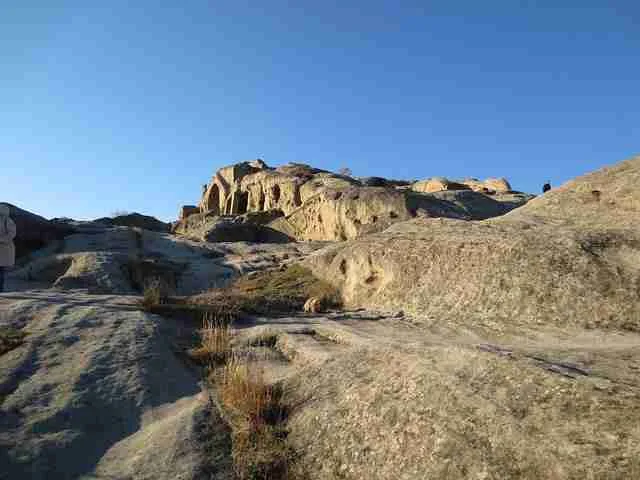
Just 10 kilometres east of Gori lies Uplistsikhe, one of the oldest cave settlements in the world. Dating back to the 6th century BCE, this rock-hewn town once served as a thriving centre of trade and culture. At its peak, Uplistsikhe housed over 20,000 residents and played a significant role in Georgia’s early development.
Today, Uplistsikhe is a historical-architectural reserve and a popular destination for visitors. The site features a labyrinth of tunnels, streets, and chambers carved into sandstone cliffs. Among the most notable structures are ancient temples, dwellings, and a secret tunnel leading to the Mtkvari River.
Exploring Uplistsikhe offers a unique glimpse into Georgia’s pre-Christian era. The site’s layout reflects a sophisticated understanding of urban planning, with drainage systems, ceremonial spaces, and defensive features. Visitors can walk through the ruins, admire the views, and imagine life in a city that once stood at the crossroads of civilisations.
Gori Fortress: A Sentinel Over the City
Perched on a rocky hill in the centre of Gori, the Gori Fortress dominates the skyline. Its origins date back to the 1st century BCE, though the current structure was rebuilt in the 18th century under King Erekle II. The fortress has witnessed centuries of conflict and resilience, serving as a strategic stronghold throughout Georgia’s history.
Surrounded by thick stone walls, the fortress offers panoramic views of the city and surrounding countryside. Visitors can climb the restored sections, explore the grounds, and appreciate the craftsmanship of its construction. The site is free to access and provides a peaceful setting for reflection and photography.
At the base of the hill, the Memorial of Georgian Warrior Heroes stands as a poignant tribute. Sculpted by Gogi Ochiauri, the monument features fractured bronze figures arranged in a circle, symbolising sacrifice and remembrance. It’s a powerful reminder of Georgia’s enduring spirit.
The Stalin Museum
Gori’s most controversial attraction is the Stalin Museum, dedicated to the life and career of Joseph Stalin. Born in Gori in 1878, Stalin rose to become one of the most influential and divisive figures of the 20th century. The museum, housed in his childhood home and a grand exhibition building, presents a detailed account of his personal and political journey.
Inside, visitors will find photographs, documents, personal belongings, and Stalin’s private railway carriage. The museum’s tone has sparked debate, with some critics arguing that it downplays the brutality of his regime. Others view it as an important historical resource that encourages critical engagement.
Regardless of perspective, the museum offers insight into Soviet history and its impact on Georgia. Guided tours are available and recommended, especially for those unfamiliar with the region’s complex past. While visiting, it’s helpful to approach the exhibits with curiosity and a discerning eye.
Cultural Attractions Beyond the Headlines
Gori’s cultural scene extends well beyond its Soviet associations. The Sergi Makalatia Historical and Ethnographic Museum, located near Stalin Park, showcases over 48,000 artefacts. Its collection includes traditional costumes, household items, religious relics, and ancient coins. The museum provides a comprehensive look at the region’s heritage and daily life.
Art House Gori, a restored Soviet-era building, now serves as a gallery for contemporary Georgian art. Its wave-like facade and minimalist interior create a striking contrast, while exhibitions feature emerging local artists. The space also hosts cultural events and installations, making it a vibrant hub for creativity.
Nearby, the 1001 Georgian Ornaments project displays hand-painted ceramic tiles arranged in a large panel. Created by Irina Shotadze and local artists, each tile is unique and inspired by Georgian architecture, textiles, and iconography. The installation, located in Gogebashvili Garden, celebrates the country’s artistic diversity.
Religious and Architectural Highlights
Gori is home to several religious landmarks that reflect its spiritual traditions. The Gori Cathedral, built in the 19th century, features elegant architecture and peaceful surroundings. Its cupola windows and ornate woodwork are typical of Georgian ecclesiastical design.
The Virgin Mary Cathedral and the Holy Archangels Church also offer quiet spaces for contemplation. These churches, along with a hidden synagogue, illustrate the city’s religious diversity and historical depth.
Walking through Gori’s old town reveals a blend of traditional Georgian and Soviet-era architecture. Streets lined with brick facades, wooden balconies, and decorative windows invite leisurely exploration. Akaki Tsereteli Avenue and Kirion II Street are particularly charming, with restored buildings and local cafés.
Natural Beauty and Outdoor Activities
Gori’s location provides easy access to natural attractions. The Mtkvari River, Georgia’s longest, flows through the city and offers opportunities for fishing, swimming, and riverside walks. Its gentle curves and surrounding greenery create a tranquil setting for relaxation.
The nearby Caucasus Mountains present a dramatic backdrop and a range of outdoor activities. Hiking, camping, and birdwatching are popular among visitors seeking adventure. The region’s biodiversity and scenic trails make it ideal for nature enthusiasts.
Tsedisi Fortress, located about 20 minutes from Gori, offers a more remote experience. Unlike the reconstructed Gori Fortress, Tsedisi remains largely untouched. Its crumbling walls and isolated setting evoke a sense of timelessness, and the small church dedicated to St George adds spiritual significance.
Local Cuisine and Wine
Gori’s culinary offerings reflect the richness of Shida Kartli’s agricultural traditions. Restaurants and guesthouses serve hearty Georgian dishes made with local ingredients. Goruli katleti, a fried meat patty, is a regional speciality often prepared with a secret blend of spices.
Vegetarian options are also plentiful. Shechamandi soups, made with wild sorrel, buttermilk, or cornel, are popular during fasting periods. These plant-based dishes showcase the creativity and variety of Georgian cuisine.
Wine lovers will appreciate the region’s contributions to Georgia’s winemaking heritage. Chinuri and Goruli Mstvane are two white varieties known for their light, fruity profiles. Shavkapito, a dry red wine with berry notes, is also widely enjoyed. Many restaurants offer local wines, and tastings can be arranged at nearby vineyards.
Planning Your Visit to Gori
Gori is easily accessible from Tbilisi, with regular trains and minibuses departing from Didube Station. The journey takes around 1.5 hours, making it suitable for a day trip or a longer stay. Shared taxis and private cars are also available, offering flexibility and comfort.
Accommodation options range from budget guesthouses to boutique hotels. Staying overnight allows for a deeper exploration of the city and its surroundings. Local hosts often provide home-cooked meals and valuable insights into Georgian life.
Spring and autumn are ideal times to visit, with mild weather and fewer crowds. Summer offers longer days for sightseeing, while winter brings a quiet charm to the city’s streets and landmarks.
Things to Do in Gori in Georgia
Here’s a quick list of activities to enjoy during your visit:
- Explore Uplistsikhe cave town and its ancient structures.
- Climb Gori Fortress for panoramic views.
- Visit the Stalin Museum with a critical perspective.
- Discover the Ethnographic Museum’s extensive collection.
- Admire contemporary art at Art House Gori.
- See the 1001 Georgian Ornaments installation.
- Walk through Gori’s old town and enjoy its architecture.
- Relax by the Mtkvari River or hike in the Caucasus Mountains.
- Taste Goruli katleti and sample local wines.
- Visit religious landmarks including Gori Cathedral and the Virgin Mary Church.
Gori’s Many Layers
Gori in Georgia is a city that rewards curiosity. Its layers of history, culture, and nature create a multifaceted experience for visitors. While its association with Stalin remains part of its identity, Gori offers much more than a single narrative.
From ancient cave towns to modern art galleries, from medieval fortresses to vibrant markets, Gori invites exploration and reflection. It’s a place where the past and present coexist, and where every corner tells a story.
Whether you’re visiting for a day or staying longer, Gori promises to surprise, challenge, and inspire.