
Lalibela in Ethiopia: A Timeless Pilgrimage Destination
High in the mountains of northern Ethiopia lies Lalibela, a town renowned for its extraordinary rock-hewn churches. Carved directly into solid volcanic rock during the 12th and 13th centuries, these architectural marvels are among the most sacred sites in Ethiopian Christianity and hold UNESCO World Heritage status.
The Remarkable Rock-Hewn Churches
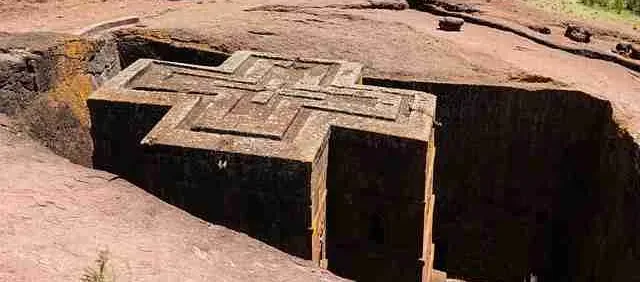
The churches of Lalibela are unique in both design and construction. Hewn from living rock in a top-down approach, they are surrounded by deep trenches and courtyards that create an almost subterranean world.
Inside, the churches reveal intricate carvings and striking artwork. Among these sacred structures, Bete Giyorgis stands out. Dedicated to Saint George, Ethiopia's patron saint, this cruciform church sits in a 15-metre-deep pit and is celebrated for its symmetry and detailed reliefs.
- Bete Medhane Alem – the largest monolithic church in the world.
- Bete Amanuel – famous for its elaborate carvings.
- Bete Mariam – dedicated to the Virgin Mary and adorned with vivid murals.
- Bete Golgotha – known for its life-size statue of Christ on the cross.
Lalibela as a Pilgrimage Centre
Lalibela is one of Ethiopia's most significant pilgrimage destinations. The most important pilgrimage occurs during Ethiopian Christmas, celebrated on 7 January, when Lalibela transforms into a sea of white robes as thousands gather to sing hymns, chant prayers, and fill the air with incense.
Beyond the Churches: Exploring Lalibela
The Lalibela Museum houses artefacts from the churches, and the Lalibela Market is ideal for browsing handicrafts and sampling traditional food. For those willing to venture further, the Asheten Maryam Monastery sits atop a mountain about an hour away, while Yemrehana Kristos Church, built inside a cave and surrounded by forest, is two hours away.
Practical Tips for Visiting Lalibela
- Best time to visit: October to May is ideal, as roads are easier to navigate during the dry season.
- Getting there: Lalibela is accessible by domestic flights from Addis Ababa or by road, though journeys can be long.
- Accommodation: options range from simple guesthouses to comfortable hotels. Book early during festive seasons.
- Dress modestly: when visiting churches, wear clothing that covers shoulders and knees.
- Local etiquette: photography inside churches may require permission. Always respect worshippers and ceremonies.
Lalibela is a living testament to faith, resilience, and artistry. Whether you come for its architectural wonders, its spiritual significance, or its welcoming community, Lalibela promises memories that will last a lifetime.
Ready to Explore Ethiopia?
Get in touch with our expert travel consultants to include Lalibela in your itinerary.
See it on our tours: Ultimate Ethiopia Tour and Ancient Ethiopia Tour.