
What to See in Luxor: A Journey Through Egypt's Timeless City
Luxor is more than a destination. It's a living museum that brings ancient Egypt to life. With towering temples, intricately decorated tombs, and a vibrant modern culture, Luxor offers a unique blend of history and hospitality.
Karnak Temple Complex
Begin your journey at Karnak, one of the largest religious complexes ever built. As you walk through its towering hypostyle halls, you'll be surrounded by massive columns and intricate carvings that whisper tales of ancient rituals. The Avenue of Sphinxes once connected Karnak to Luxor Temple.
Luxor Temple
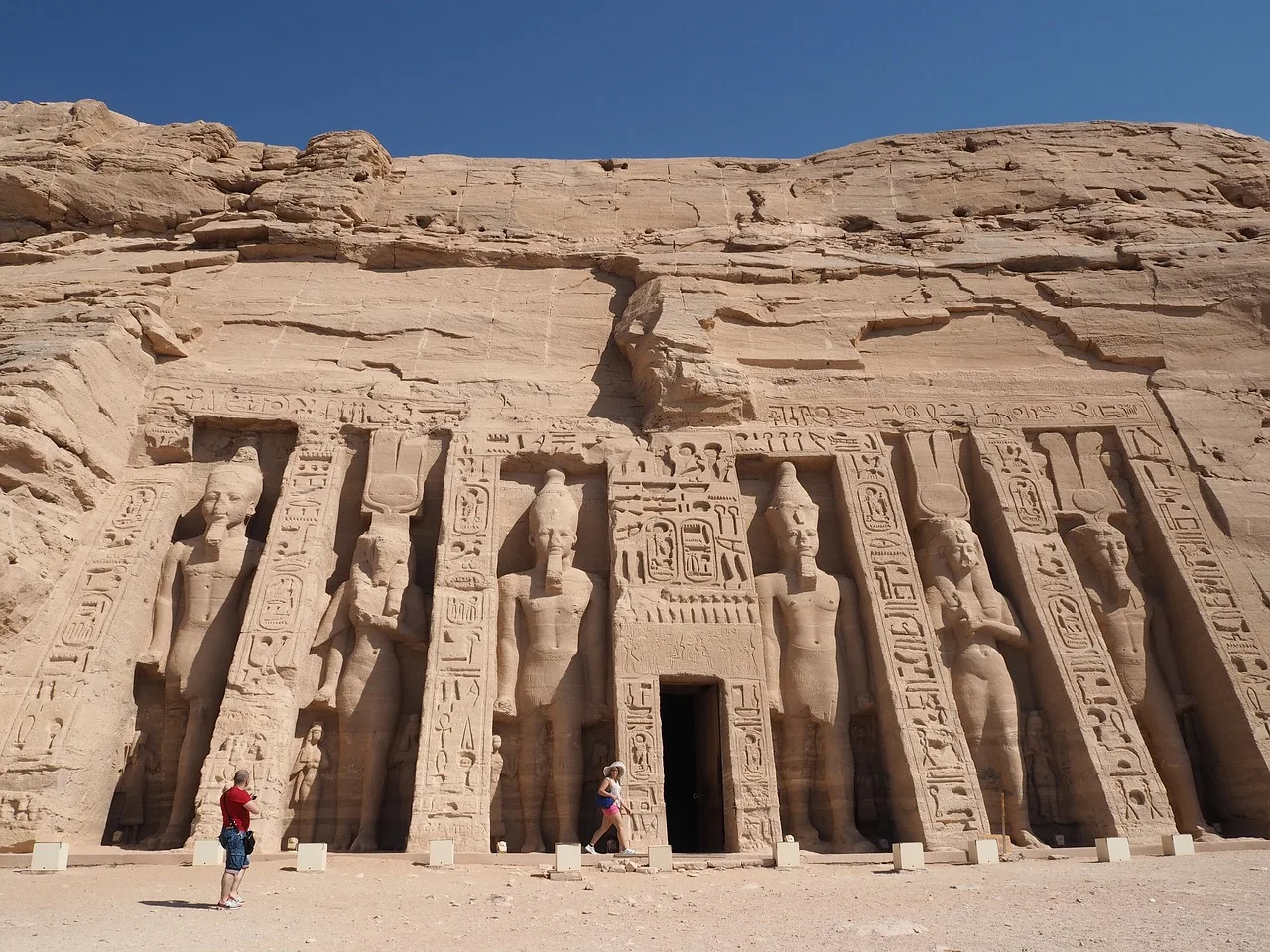
Just a short distance away, Luxor Temple offers a more intimate yet equally impressive experience. Dedicated to Amun-Ra, the sun god, admire the colossal statues of Ramses II at the entrance, then wander through colonnades adorned with vibrant reliefs.
Luxor Museum
To gain deeper insight into the city's past, visit the Luxor Museum. This modern facility showcases artefacts unearthed from nearby sites, including mummies, jewellery, and everyday items.
Valley of the Kings
Crossing the Nile to the West Bank reveals a landscape steeped in mystery and reverence. The Valley of the Kings, carved into desert cliffs, served as the final resting place for many pharaohs, including the world-famous Tomb of Tutankhamun.
Valley of the Queens
Nearby, the Valley of the Queens honours royal women and children of the New Kingdom. The tomb of Queen Nefertari, known for its exquisite artwork, stands out as one of the most beautifully preserved burial sites in Egypt.
Temple of Hatshepsut
Further along the cliffs, the Mortuary Temple of Hatshepsut rises in elegant terraces, celebrating the legacy of Egypt's only female pharaoh.
Hot Air Balloon Ride
For a truly unforgettable perspective, consider a sunrise hot air balloon ride over Luxor as the city's ancient monuments and lush fields unfold beneath you.
Souq Khan al-Khalili
Back on the ground, immerse yourself in local culture at Souq Khan al-Khalili, browsing spices, textiles, and handcrafted souvenirs.
Felucca Ride on the Nile
Sailing the Nile on a traditional felucca offers a gentle escape from the city's energy, gliding past palm-lined banks and farmers' fields.
Sound and Light Show at Karnak
In the evening, return to Karnak for the Sound and Light Show, an immersive experience using narration, music, and lighting to bring the temple's history to life.
Temple of Medinat Habu
Often overlooked, the Temple of Medinat Habu deserves attention for its detailed reliefs and historical importance, built by Ramses III.
Deir el-Medina
To understand the lives of those who built the royal tombs, visit Deir el-Medina, an ancient village housing artisans and workers.
Colossi of Memnon
Stop by the Colossi of Memnon, two towering statues of Amenhotep III that once guarded a grand temple, standing for millennia.
Tips for Visiting Luxor
- Best time to visit: October to April offers cooler temperatures and more comfortable conditions for exploring.
- What to wear: choose lightweight, breathable clothing and comfortable shoes, plus sun protection and a hat.
- Cultural respect: dress modestly and follow local customs, especially at religious or historical sites.
- Stay hydrated: carry water with you, particularly when touring outdoor locations.
- Guided tours: consider hiring a local guide to gain deeper insights into history and significance.
Luxor is a city where history lives in every stone and story. Whether you're drawn by the grandeur of Karnak, the mystery of royal tombs, or the charm of local markets, Luxor promises an experience that lingers long after your visit ends.
Ready to Explore Egypt?
Get in touch with our expert travel consultants to include Luxor in your itinerary.