Gorilla trekking in Uganda is one of Africa’s most powerful wildlife experiences. Standing quietly a few metres from a family of mountain gorillas in their natural forest home is unforgettable. But for many of our travellers, one key question comes up early in the planning process: how physical is the trek?
At Our Local Tour, we arrange gorilla trekking experiences every year, working closely with local guides, rangers, lodges, and conservation authorities. This blog draws on our first-hand knowledge to give you an honest, practical explanation of what the trek involves physically, who it’s suitable for, and how to prepare so you can enjoy it with confidence.
The Short Answer: It Varies – A Lot!
There is no single “standard” gorilla trek. Some treks last less than an hour on gently sloping trails, while others can take four to six hours (or longer) hiking through dense rainforest and steep terrain. The physical challenge depends on several factors:
- The location of the gorilla family on the day
- Weather and ground conditions
- Altitude
- Your assigned group
- Your general fitness and mobility
This variability is exactly why experienced planning matters, and it’s where Our Local Tour’s local insight really helps.
Understanding the Terrain
Gorilla trekking in Uganda mainly takes place in Bwindi Impenetrable National Park, a UNESCO World Heritage Site located in the southwest of the country. The park is ancient, dense, and mountainous.
What the Forest Is Like
- Thick vegetation: Expect vines, roots, tree trunks, and undergrowth
- Uneven ground: Mud, rocks, and natural steps are common
- Steep sections: Some trails involve sustained uphill or downhill walking
- Narrow paths: Often carved by foot traffic rather than formal trails
Even on shorter treks, the forest demands careful footing and steady movement. “Impenetrable” is not an exaggeration, although local rangers are exceptional at clearing and guiding routes and having a local porter is a great help.
Altitude and Climate
Bwindi sits at elevations between 1,160 and 2,600 metres (3,800–8,500 feet) above sea level. While this isn’t extreme altitude, it can make exertion feel more intense, particularly for travellers arriving from sea level. Add to that the high humidity, mainly warm daytime temperatures, and the occasional sudden rain showers (even in dry seasons), and it makes the trek more physically demanding than a typical countryside hike.
How Long and How Strenuous Is the Trek?
Trek Duration
- Shortest treks: 30–60 minutes each way
- Average treks: 2–4 hours total
- Longest treks: 6+ hours total
The time includes hiking to the gorillas, but does not include the one full hour spent observing them once located.
Physical Intensity
- Moderate to challenging
- Comparable to hiking with elevation gain on uneven, muddy trails
- Periods of sustained uphill walking are common
You do not need to be an athlete, but you should be comfortable walking for several hours without paved paths.
Can Beginners or Older Travellers Do It?
Yes, and many do, and do it successfully.
One of the most important things to understand is that the Uganda Wildlife Authority rangers can allocate gorilla families based on physical ability when informed in advance. Some gorilla groups are known to stay closer to trailheads and in less steep areas.
At Our Local Tour, we:
- Communicate your fitness level honestly with park authorities
- Request a suitable gorilla family where possible
- Recommend lodges close to trekking gates to reduce fatigue
- Arrange porters to assist as needed
We’ve helped travellers in their 60s and 70s, as well as those with limited hiking experience, have safe and enjoyable treks.
The Role of Porters: Not Just for Luggage
Hiring a porter is one of the smartest decisions you can make on a gorilla trek.
The porter will carry your daypack, offer a steady hand on steep or slippery sections, help maintain balance on muddy inclines and offer encouragement and a smile when needed. This is not a sign of weakness; it’s a safety and comfort choice. Porters are local community members, and hiring one directly supports livelihoods around the park.
At Our Local Tour, we strongly encourage you to use local porters and we ensure guests understand both the practical and social benefits.
What Fitness Level Is Recommended?
You should be able to:
- Walk uphill for 30–60 minutes at a time
- Maintain steady footing on uneven ground
- Cope with humidity and warm temperatures
If you can comfortably:
- Walk briskly for an hour
- Handle countryside hikes
- Climb stairs without stopping repeatedly
…then you’re likely fit enough for gorilla trekking with the right support and pacing.
Preparation Makes a Huge Difference
From our experience, physical readiness isn’t just about fitness; it’s about preparation.
We recommend that before travelling, you practice regular walking or hiking with elevation and do leg-strengthening exercises. Light cardio will also improve endurance and make sure that you practise walking in your hiking boots.
On the Day of the Trek
- Take breaks—the rangers are very accommodating
- Keep hydrated
- Move at your own pace
- Use walking sticks (provided at the briefing point)
What Happens If the Trek Is Too Difficult?
This is a common worry and understandable. In reality, the rangers closely monitor group members and breaks are frequent. Alternative routes may be used and the porters can provide assistance. In very rare cases where a guest cannot continue, rangers prioritise safety. With good planning, these situations are extremely uncommon.
The Reward Far Outweighs the Effort
The physical effort of gorilla trekking is real but so is the reward.
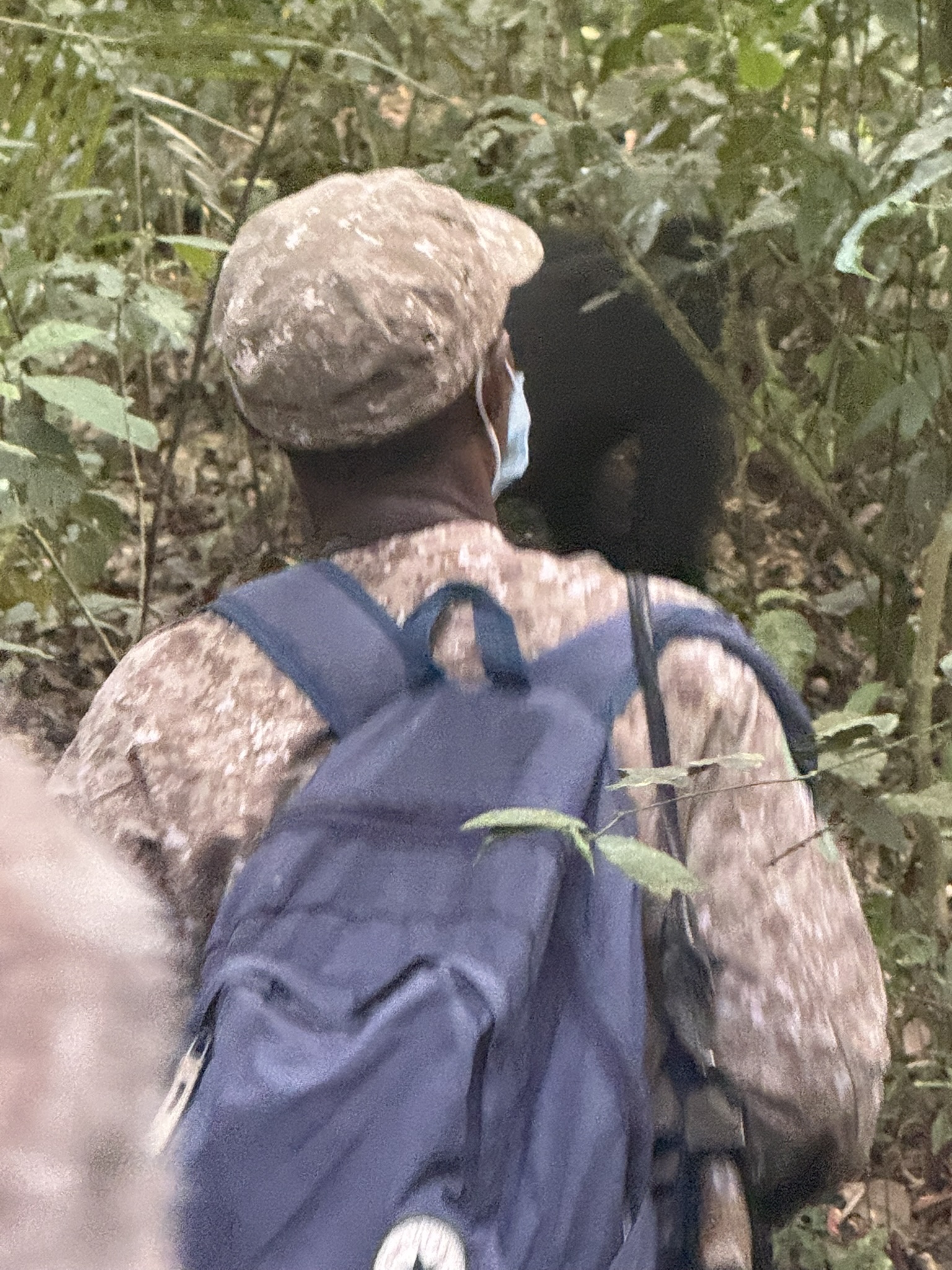
Standing silently as a silverback watches over his family. Seeing juveniles play just metres away. Observing complex social behaviours in a completely wild setting. These moments instantly put the physical challenge into perspective. Many guests tell us the trek felt easier than expected once adrenaline, excitement, and professional guiding were added to the mix.
Why Planning With Our Local Tour Matters
Not all gorilla treks are equal and not all operators plan them the same way.
At Our Local Tour, we combine:
- First-hand trekking experience
- Close relationships with local guides and rangers
- Honest fitness assessments
- Clear communication before arrival
- Thoughtful lodge and route selection
We don’t oversell or underplay the physical side. Instead, we guide you clearly so you arrive prepared, confident, and excited, not anxious.
Final Thoughts
So, how physical is the gorilla trek in Uganda? It’s challenging but manageable, demanding but achievable, and above all, worth it.
With the right preparation, realistic expectations, and expert planning, gorilla trekking is accessible to far more people than many assume. At Our Local Tour, our role is to remove uncertainty, support you every step of the way, and help you experience one of the world’s most extraordinary wildlife encounters safely and responsibly.
If gorilla trekking is on your travel wish list, we’d be delighted to help you plan a journey that fits your abilities.